Cast Iron Cookware: Your Complete Guide to Choosing, Using, and Caring for Kitchen’s Most Versatile Equipment
Walking through any kitchen store today, you’ll see shelves packed with non-stick pans, ceramic coatings, and the latest high-tech cookware promises. But tucked away in one corner, you’ll find something that’s been quietly outperforming them all for centuries: cast iron cookware.
As an Amazon Associate I earn from qualifying purchases and sometimes recommend products from other sellers at no extra cost you. For more details see my disclosure policy and privacy policy.
Cast iron isn’t just cookware—it’s an investment in your cooking future. Whether you’re searing steaks, baking cornbread, or slow-cooking stews, cast iron delivers results that modern alternatives struggle to match. Let’s explore everything you need to know about choosing and using cast iron cookware for your kitchen.
Why Cast Iron Cookware Deserves a Place in Every Kitchen
Cast iron cookware offers benefits that go far beyond its rustic charm. The heavy construction creates exceptional heat retention, meaning your food cooks more evenly and stays warmer longer. This makes cast iron perfect for dishes that need consistent temperature, like braised meats or deep-dish pizzas.
The versatility factor is huge too. A single cast iron skillet can go from stovetop to oven to campfire without missing a beat. You can sear chicken thighs on the stove, then transfer the whole pan to finish in the oven—something that’s impossible with many modern pan handles.
- Superior heat retention: Stays hot longer than aluminum or stainless steel
- Oven-safe construction: Most pieces handle temperatures up to 500°F or higher
- Natural non-stick surface: Develops over time with proper seasoning
- Multi-generational durability: Quality pieces last decades with basic care
Cast Iron Temperature Guide
Perfect heat levels for every cooking technique
The Four Types of Cast Iron Cookware (And Which to Choose)
Understanding the different types of cast iron helps you make smarter purchasing decisions. Each type has distinct characteristics that affect both performance and price.
Vintage Cast Iron (Pre-1960s) These pieces from brands like Griswold and Wagner are prized for their smooth cooking surfaces and lighter weight. The manufacturing techniques used before the 1950s created naturally smooth finishes that rival modern non-stick pans. If you find vintage pieces in good condition, they’re often worth the investment.
Modern Rough Cast Iron Most affordable cast iron falls into this category. The surfaces feel slightly textured due to modern manufacturing methods, but they perform excellently once properly seasoned. Lodge is the most common brand in this category, offering reliable cookware at reasonable prices.
Modern Smooth Cast Iron
These premium pieces combine traditional cast iron benefits with machine-polished cooking surfaces. They’re more expensive but offer immediate non-stick performance with less seasoning required. Expect to pay 2-3 times more than rough cast iron.
Enameled Cast Iron Brands like Le Creuset and Staub coat their cast iron with colorful enamel finishes. These pieces don’t require seasoning and handle acidic foods beautifully. The trade-off is higher cost and potential for chipping over time.
Essential Cast Iron Pieces for Different Cooking Styles
Your cast iron collection should match your cooking habits. Here’s how to prioritize your purchases based on what you love to cook.
For Everyday Cooking: Start with a 10-inch skillet. This size handles most stovetop tasks, from scrambled eggs to pan-fried chicken. It’s also perfect for single-portion or two-person meals.
For Family Cooking: A 12-inch skillet or 5-quart Dutch oven becomes your workhorse. These sizes accommodate larger batches while still fitting in standard ovens and on most stovetops.
For Baking Enthusiasts: Cast iron cornbread pans, pizza pans, and baking dishes create incredible crusts that regular baking pans can’t match. The heavy construction promotes even browning and heat distribution. For more specialized baking needs, explore our guide to the best cast iron baking trays for home cooks.
For Outdoor Cooking: Dutch ovens with legs are designed for campfire cooking. They stack easily and handle coal placement for outdoor baking and roasting.
Cast Iron Size Guide
Choose the perfect size for your cooking needs
Seasoning Your Cast Iron: The Foundation of Great Performance
Seasoning isn’t just maintenance—it’s what transforms raw cast iron into a naturally non-stick cooking surface. Think of seasoning as building up thin layers of polymerized oil that protect the iron and create that coveted smooth finish.
The process is straightforward but requires patience. Clean your new cast iron thoroughly, then apply a thin layer of oil (flaxseed, grapeseed, or vegetable oil work well) to all surfaces. Heat the piece in a 450°F oven for one hour, then let it cool completely. Repeat this process 3-4 times for new cookware.
- Choose the right oil: Oils with higher smoke points work best for seasoning
- Less is more: Thin, even coats prevent sticky buildup
- Be patient: Multiple light coats outperform single heavy applications
- Maintain regularly: Quick stovetop seasoning after cooking helps build the finish
Cast Iron Alternatives: When You Need Different Solutions
Cast iron isn’t perfect for every cooking situation. Understanding its limitations helps you choose the right tool for each job. Sometimes you’ll need ingredient substitutes too—when your cast iron isn’t ideal for certain dishes, you might also need to swap ingredients to match your available cookware.
For Delicate Fish: Cast iron’s heat retention can overcook delicate proteins. Consider stainless steel or carbon steel for better temperature control with fish fillets or thin cuts of meat.
For Acidic Sauces: Tomato-based sauces or wine reductions can damage seasoning on bare cast iron. Enameled cast iron or stainless steel handles acidic ingredients better for these dishes.
For Quick Heating: Cast iron takes time to heat evenly. When you need immediate temperature response, aluminum or thin stainless steel pans heat faster for quick sautés or stir-fries. If you’re looking for equipment that heats quickly, check out our guide on choosing the right skillet pan for different cooking needs.
For Weight Concerns: A 12-inch cast iron skillet weighs 8+ pounds empty. If mobility is an issue, consider carbon steel, which offers similar heat retention at roughly half the weight.
Choosing Quality: What to Look for When Shopping
Smart cast iron shopping focuses on construction quality rather than fancy features. Here’s what separates good pieces from great ones.
Weight Distribution: Quality cast iron feels balanced despite its heft. The weight should be evenly distributed, not concentrated in the base. This affects how the pan sits on your burner and how comfortable it is to handle.
Handle Design: Look for handles that stay cool longer and provide secure grip. Some manufacturers add silicone sleeves or design handles that dissipate heat better than others.
Surface Finish: Rough surfaces aren’t necessarily bad, but avoid pieces with obvious pitting, cracks, or extremely uneven texture. These defects can affect cooking performance and seasoning development.
Price vs. Value: The most expensive isn’t always the best. Lodge offers excellent value for everyday cooking, while premium brands like Le Creuset justify higher prices with superior enamel coatings and lifetime warranties.
Caring for Cast Iron: Simple Maintenance for Lifetime Performance
Proper cast iron care is simpler than many people think. The key is understanding what cast iron needs versus what it can handle.
Daily Cleaning: Hot water and a stiff brush handle most cleanup jobs. Contrary to popular belief, small amounts of mild soap won’t hurt well-seasoned cast iron. Avoid soaking or putting cast iron in the dishwasher.
Immediate Drying: Water is cast iron’s enemy. Dry pieces immediately after washing, then place them on a warm stovetop for a few minutes to evaporate any remaining moisture.
Storage Protection: Store cast iron in dry locations with good air circulation. Paper towels between stacked pieces prevent scratching and absorb any residual moisture.
Rust Recovery: Light rust can be scrubbed away with steel wool and re-seasoning. Don’t panic if you find surface rust—it’s usually fixable with a little effort.
Common Cast Iron Mistakes (And How to Avoid Them)
Even experienced cooks make cast iron mistakes that affect performance. Here are the most common issues and their solutions.
Overseasoning: Applying too much oil during seasoning creates sticky, gummy surfaces. If this happens, scrub the excess off and reseason with thinner coats.
Temperature Shock: Never put hot cast iron into cold water or cold cast iron into extreme heat. Gradual temperature changes prevent cracking and warping.
Wrong Burner Size: Using burners much smaller than your pan creates hot spots and uneven cooking. Match pan size to burner size for best results.
Neglecting Preheating: Cast iron needs 5-10 minutes to heat evenly. Rushing this step leads to food sticking and uneven browning.
Budget-Friendly Cast Iron Shopping Strategies
Building a cast iron collection doesn’t require breaking the bank. Smart shopping can get you quality pieces at reasonable prices.
Start with Lodge: Lodge offers the best value for new cast iron. Their basic skillets perform as well as pieces costing three times more.
Check Thrift Stores: Estate sales and thrift shops often have vintage cast iron at fraction of retail prices. Even rusty pieces can be restored with some effort.
Buy Seasonal: Cast iron prices drop during spring cleaning seasons when people declutter. Holiday sales also offer significant discounts on premium brands.
Focus on Versatility: A 10-inch skillet handles 80% of cast iron cooking tasks. Master one piece before expanding your collection.
Making Cast Iron Work in Modern Kitchens
Modern cooking often requires adapting traditional tools to contemporary needs. Here’s how to make cast iron work with today’s cooking styles and equipment.
Glass-Top Stoves: Cast iron works on glass cooktops but requires extra care. Lift rather than slide pans to prevent scratching, and check manufacturer guidelines for weight limits.
Induction Compatibility: Cast iron works perfectly on induction cooktops, often providing more even heating than on gas or electric ranges.
Small Space Solutions: If storage is limited, choose multi-purpose pieces. A Dutch oven can replace multiple pots and pans while taking up less cabinet space. For kitchen organization tips, check out our guide on organizing your kitchen for maximum efficiency.
Quick Meal Integration: While cast iron excels at slow cooking, it also handles quick meals beautifully once properly preheated. The key is planning ahead for the preheating time.
When Cast Iron Isn’t the Answer: Alternative Cookware Solutions
Understanding when NOT to use cast iron helps you cook more effectively and protects your investment.
Boiling Water: Cast iron takes forever to boil water compared to thin-walled pots. Use stainless steel or aluminum for pasta water and basic boiling tasks.
Egg Dishes: Until cast iron develops a solid seasoning layer, eggs can stick badly. Non-stick or well-seasoned carbon steel work better for delicate egg preparations.
Wine-Based Sauces: The iron can react with wine and acidic ingredients, creating metallic flavors. Stainless steel or enameled cast iron handle these dishes better.
Quick Temperature Changes: Cast iron’s thermal mass works against you when recipes require rapid temperature adjustments. Thinner pans respond faster to heat changes.
Building Your Cast Iron Collection: A Strategic Approach
Rather than buying randomly, build your cast iron collection strategically based on your cooking patterns and kitchen needs.
Phase 1: Foundation (Essential first purchase) Start with one 10-inch skillet from Lodge or similar quality brand. Master this piece before expanding. Learn seasoning, maintenance, and cooking techniques with this single pan.
Phase 2: Expansion (After 6 months of regular use) Add either a Dutch oven for braising and baking, or a larger 12-inch skillet for family-sized meals. Choose based on whether you cook more stews or more stovetop dishes. If you’re leaning toward Dutch oven cooking, try our cast iron shepherd’s pie recipe to test your braising skills. For comprehensive one-pot meal ideas, explore our cast iron casserole dishes guide.
Phase 3: Specialization (For dedicated cast iron enthusiasts) Consider specialized pieces like cornbread pans, pizza stones, or griddles. These enhance specific cooking techniques but aren’t essential for most home cooks.
Phase 4: Premium Upgrades (When budget allows) Upgrade to enameled pieces for acidic cooking tasks, or invest in vintage smooth-surface pieces for premium performance.
The Bottom Line: Is Cast Iron Right for Your Kitchen?
Cast iron cookware offers unmatched versatility, durability, and cooking performance at reasonable prices. It’s particularly valuable if you enjoy slow-cooked dishes, baking, or outdoor cooking.
The learning curve is gentle, and the maintenance requirements are often overstated. With basic care and proper seasoning, quality cast iron pieces will outlast most other cookware by decades.
Cast iron works best for cooks who plan ahead, appreciate traditional techniques, and want cookware that improves with age. If you prefer lightweight pans, need instant temperature response, or cook primarily quick dishes, other options might serve you better.
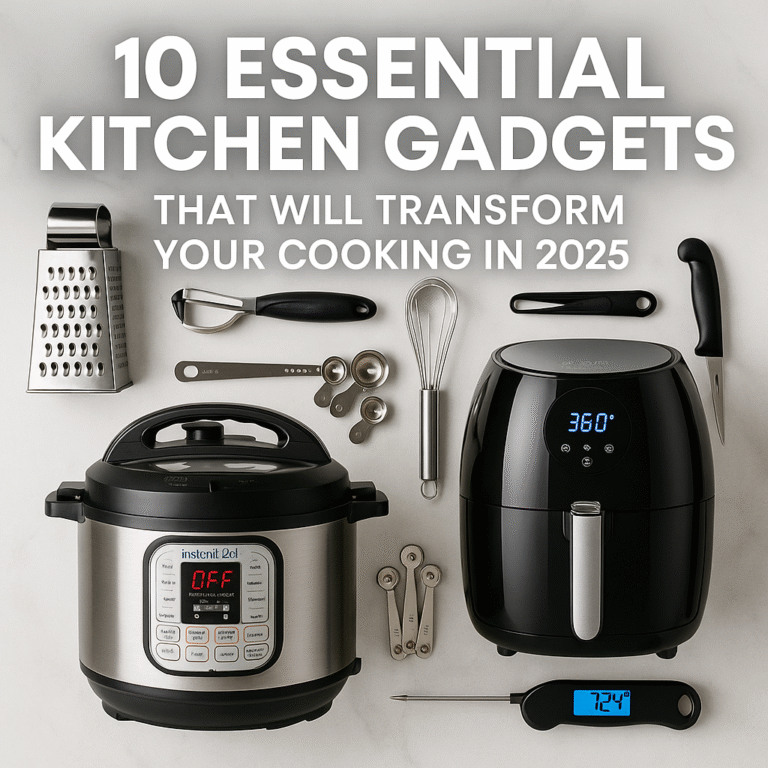
For most home cooks, starting with one quality piece and learning its capabilities makes sense. Cast iron rewards patience and proper technique with superior cooking results that modern alternatives struggle to match. If you’re building a complete cookware collection, also consider reading about essential kitchen gadgets to complement your cast iron pieces.
Ready to start your cast iron journey? Begin with a 10-inch Lodge skillet, practice proper seasoning techniques, and discover why generations of cooks have relied on this timeless cookware for their best dishes. Once you’ve mastered basic cast iron cooking, try expanding into specialized recipes like baked dishes with perfect crusts or hearty stews that showcase cast iron’s versatility.