How to Store Fall Foods: Freezing, Canning & Pickling Tips
Storing fall foods properly is something most of us only think about once the pumpkins start piling up. I bet there’s more than a few houses out there with one sitting around right now. We have – it’s a thing around where I live that you put one outside the door and trick-or-treaters come on Halloween. Or so my neighbour with kids tells me.
As an Amazon Associate I earn from qualifying purchases and sometimes recommend products from other sellers at no extra cost you. For more details see my disclosure policy and privacy policy.
End result – one nice little pumpkin, uncarved, now being eyed up by the husband for this pumpkin soup recipe. But what do you do when you’ve got more fall produce than you can eat before it goes off? How can you make the fall harvest last?
Benefits of eating in season
Eating seasonally is something that I’ve become more aware of in recent times. I’ve heard my Dad talk about it often enough – you didn’t see certain foods out of season like strawberries. They were a summer crop and that’s when you ate them. But with the improvement in food transportation, we get UK strawberries in summer and strawberries from other parts of the world the rest of the time.
And that’s great, but is there a case for eating in season? While I wouldn’t turn away a food because it is out of season, there are some benefits to eating in season:
- Best flavour – fresher food has the best taste
so the sooner you eat it after harvest, the better it will taste - More nutritious – likewise, just after harvest
is when food is at its most nutritious, so you get more of that goodness from
every bite - Better prices – as there is plenty of something
in season, the cost goes down. Those strawberries
in summer are always cheaper than the ones we eat in winter because transport
costs are less - Environmental benefits – eating in season food means
we can best use the environment and use less of the pesticides and other techniques
needed to grow things outside their natural season - Promotes home cooking – by having these seasonal
products to try, we are more inclined to make things from scratch and that’s always
the healthiest option
What’s in season?
So if you want to have a go at fall foods, what kind of thing counts as being in season? If you are a grow your own fan, you probably have some good ideas but here’s some suggestions for the rest of us.
- Apples
- Beets
- Blackberries
- Brussel sprouts
- Cabbage
- Carrots
- Cranberries
- Figs
- Grapes
- Parsnips
- Pears
- Pomegranate
- Pumpkin
- Rutabaga
- Sweet potatoes
- Winter squash
Storing fall foods
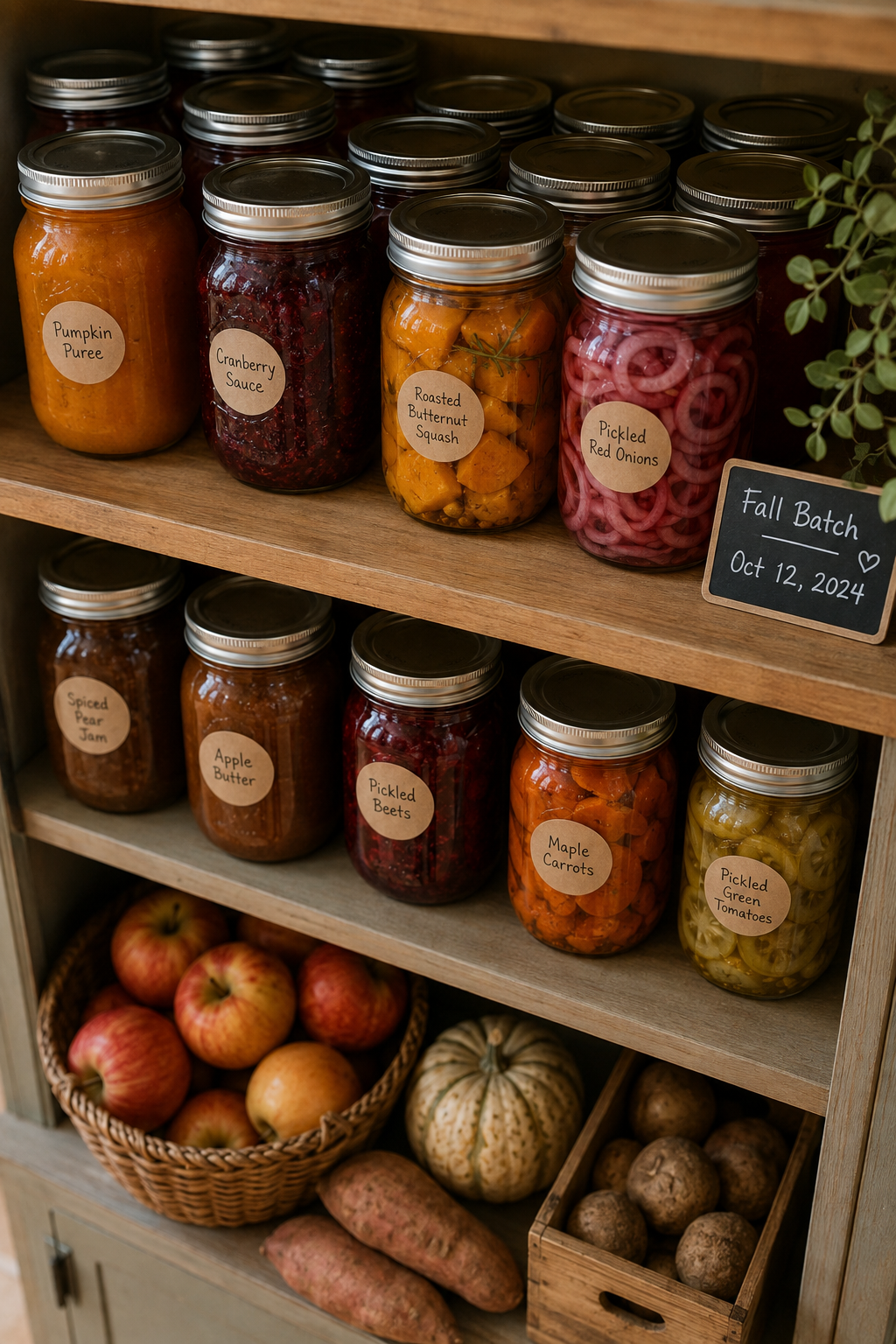
One of the problems with fall foods and eating seasonally is that once they have gone out of season, you might not have a supply of them. Or you might buy more because they are in season but not get through them in time. That’s where storing fall foods come in.
Dehydrating
Dehydrating foods might sound like a modern way to handle storing food, but it has actually been around a long time. There are lots of examples such as pemmican, a mix of dried fruits, nuts and meat that offered nutrients in winter when hunting was scarce. We’ve all seen beef jerky (even if we don’t always see it to eat in the UK). There’s no reason that you can’t dehydrate and store fruits and vegetables in fall to use during winter.
You can dehydrate food in several ways. You can do it outside in the sun if there’s enough of it. You can use a proper dehydrator, or you can just use the oven. How much food you want to dehydrate will probably tell you which method is best.
Canning
Canning is another common part of storing fall foods and there are lots of autumn recipes that involve making the most of the berries and fruits that have ripened around now. Canning of some foods like vegetables will need a pressure cooker or an Instant Pot while canning fruits is much easier.
Low-acid vegetables need the higher temperatures a pressure canner reaches to be safe, so it’s worth checking your process against a resource like the National Center for Home Food Preservation before you start. You do need a water bath for the fruits, but this is easy enough to get and there are lots of options for what you can store – including things like tomatoes or chilis.
Blueberry Maple Compote Instant Pot recipe
Ingredients
- 3 c. fresh or frozen blueberries
- ¼ c. real maple syrup
- 2 T. fresh lemon juice
- 1 t. vanilla extract
- 1 t. ground cinnamon
- ¼ t. salt

Directions
Add all ingredients to Instant Pot container and stir to combine. Add the lid and lock into position.
Set the pressure valve to the “Sealing” position and press the “Manual” button. Adjust the setting to high and select 3 minutes for the cook time. After a brief pause, the Instant Pot will automatically start building pressure at this point.
When the cook time has finished, turn the Instant Pot off to prevent scorching. Allow the pressure to release naturally for 10 minutes, then manually release the remaining pressure by carefully moving the valve to the “Venting” position.
Optional: To thicken the compote, select the “Sauté” function and cook over high heat, stirring constantly, until excess liquid is reduced. Turn the Instant Pot off and immediately remove the container from the unit to cool.
Serve immediately or transfer to an airtight container and store in the refrigerator for 7 to 10 days. Serve over ice cream, yoghurt, waffles, French toast, pancakes, oatmeal, pound cake, cheesecake, or rice pudding with a dollop of whipped cream, if desired. Enjoy!
Pickling
We had a go at pickling some chillies this year that we grew in the garden and while the smell was a bit overwhelming during the cooking period, the end result worked really well. Robert’s a chilli fan and loved having his own ‘jalapeno style’ pickled chillies on hand.
Pickling needs a few basic ingredients, usually some kind of pickling vinegar and a jar to store them in. Robert marked the date he made his on, so he knew how old they were – pickling prolongs the lifespan, but they still have to be eaten while in good condition.
Red Onion Jam recipe
Ingredients
- 2 medium red onions
- 1 tsp garlic
- Pinch of chilli flakes
- 30ml balsamic vinegar
- 100ml red wine
- 40ml white wine vinegar
- 2 tsp sugar
- 2 tsp brown sugar
- ¼ tsp dried thyme
- Salt & pepper
- Olive oil
Directions
Sauté the onions with the olive oil then add garlic, thyme, salt and pepper.
Cook in high heat for 10 minutes until the mixture sticks to the pan. Then add the rest of the ingredients and simmer for around 30 minutes until the liquid has evaporated.
Stored in a sealed container in the fridge, these will keep for up to 3 months.

Freezing
Freezing foods is a simple way to store it for later use and there are lots of ways to do it. For example, if you have lots of fruit, you can portion it up into freezer bags for smoothies and store in the freezer. You can also partial cook some vegetables and them store them in bags. Remember to mark the date stored on the bag so you know how long it has been there – most foods will keep for 3-6 months in the freezer.
FAQs
Q: How long do fall foods last in the freezer? A: Most fall fruits and vegetables keep well in the freezer for three to six months if stored in airtight bags or containers with the date marked on them. Quality (not safety) is what declines after that point, so label everything as you go.
Q: Do you need a pressure cooker to can fall vegetables? A: Yes, low-acid vegetables need pressure canning to reach a high enough temperature to be safe, while acidic fruits can usually be safely processed in a water bath canner. Check a trusted canning safety resource for the correct method and timing for whatever you’re canning.
Q: What’s the best way to store a whole pumpkin? A: An uncarved, unwashed pumpkin will keep in a cool, dry spot for one to three months. Once it’s cut, cooked flesh should go in the fridge for up to a week or the freezer for longer storage.
Making the most of fall foods
There are lots of reasons to enjoy fall foods and to eat seasonally where possible. And if you find you have too much for the recipes you are planning, you can use these different ways to store it so that your fall foods will last right through into winter!
What’s your favourite seasonal food? And what do you love to do with it? Tell us in the comments!
