
The Best Substitutes for Butter in Baking and Cooking
You’ve just started creaming butter into a cake batter when you realise you’re out. Or maybe you’re baking for someone who’s dairy-free and you’re not sure what to reach for. Either way, you need a butter substitute — and you need to know it’ll actually work.
As an Amazon Associate I earn from qualifying purchases and sometimes recommend products from other sellers at no extra cost you. For more details see my disclosure policy and privacy policy.
The good news is that butter has plenty of reliable stand-ins, and which one you choose mostly depends on what you’re making. A switch that works perfectly in a moist banana bread might ruin a flaky shortcrust pastry, so it pays to know the difference. This guide walks you through every major category of butter substitute, explains exactly when each one works best, and covers dairy-free and budget angles throughout.
⚡ A Quick Look at This Guide
What is this guide? A complete breakdown of the best butter substitutes for baking and everyday cooking — covering dairy-free, vegan, whole-food, and budget-friendly swaps with exact ratios for every recipe type.
💡 Quick tip: For most cakes and cookies, a good vegan butter block swaps in 1:1 with zero recipe adjustments needed — it’s the easiest starting point for dairy-free baking.
The Easiest Butter Substitutes: 1:1 Swaps
If you want the simplest possible solution, start here. These options behave most like butter in recipes and rarely require any tweaking.
Vegan Butter Blocks and Baking Spreads
Plant-based butter blocks — the kind sold in stick or block form — are specifically formulated to behave like dairy butter in baking. Most work at a straight 1:1 ratio in cakes, cookies, pastry, and frostings. In the UK, you’ll find options from supermarket own-brand ranges alongside brands like Flora Plant, Naturli, and Vitalite blocks. In the US, brands like Earth Balance and Country Crock Plant Butter are widely available.
These are the easiest entry point if you just want a dairy-free swap without thinking too hard. Because they’re designed to mimic butter’s fat content and behaviour, you’ll get results that are extremely close to the original — sometimes indistinguishable.
Standard Margarine
Regular margarine has been standing in for butter since long before plant-based eating was mainstream. It works well in most bakes at a 1:1 ratio, though you may notice slightly softer results in cookies because margarine often has a higher water content than butter. For simple cakes, traybakes, and everyday cooking, it does the job reliably and at a lower price point.
One thing to watch: “light” or “low-fat” spreads tend to have too much water and not enough fat for baking. Stick to full-fat margarine or spread for anything that needs structure.
Dairy-Free Soft Spreads
Sunflower-oil or olive-oil based spreads like Pure, Vitalite, and most supermarket budget ranges work for toast, simple bakes, and everyday cooking. They’re often among the cheapest dairy-free options on the shelves, which makes them a practical default for households that don’t use dairy butter at all. They’re not ideal for pastry or anything where you need a firm fat, but for everyday use they’re a solid choice.
Oils: Best for Melted Butter Recipes
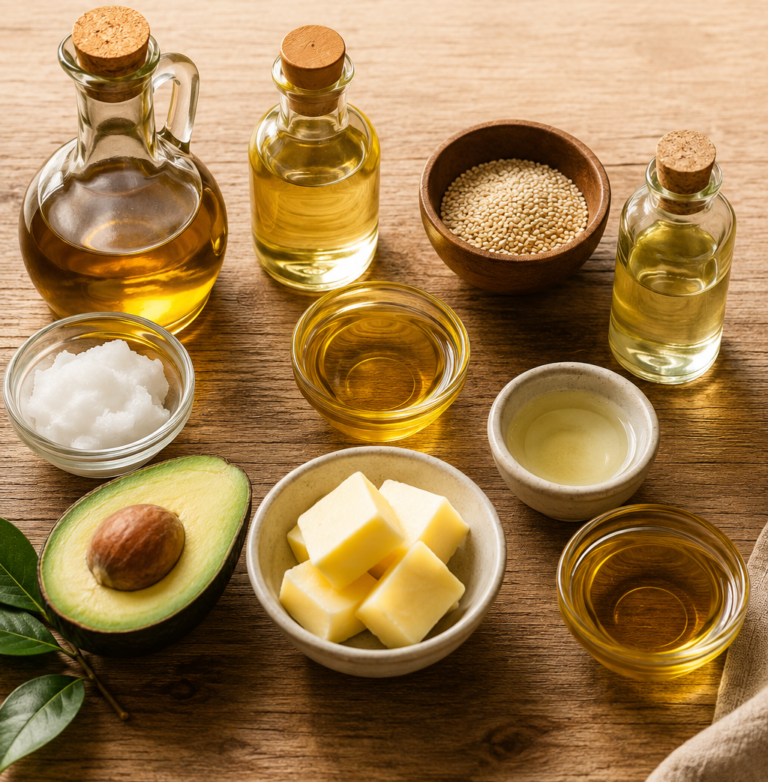
When a recipe calls for melted butter — think quick breads, muffins, brownies, and most pancake batters — oil is often the easiest and most seamless swap. Oils are completely dairy-free and usually cheaper than butter, which also makes them a good budget option.
Neutral Oils (Vegetable, Sunflower, Rapeseed/Canola)
These are the workhorses of the oil-based butter swap category. They have very little flavour of their own, so they won’t change the taste of your bake. As a rule of thumb, use about ¾ cup of oil for every 1 cup of melted butter called for in a recipe. If the recipe already specifies melted butter, a 1:1 swap is usually fine too.
Oil-based swaps tend to produce slightly more tender, moist results — which is great for cakes and muffins, but less ideal for cookies where you want some spread and crispness. Large bottles of rapeseed or sunflower oil are also considerably cheaper per gram of fat than butter, making this the most budget-friendly option by a significant margin.
Olive Oil
Olive oil works beautifully in savoury bakes, focaccia, and roasted vegetables. It can also work in some cakes — particularly denser, Mediterranean-style recipes like olive oil cake — but the flavour can come through, especially if you use extra-virgin. For sweet bakes, mild or light olive oil is a better choice than bold extra-virgin.
Coconut Oil
Refined coconut oil is one of the more popular vegan butter substitutes in baking circles. It’s solid at room temperature (like butter) and melts when heated, which makes it versatile across recipe types. Use it at a 1:1 ratio. Refined coconut oil has a neutral flavour, while unrefined will add a noticeable coconut taste — so choose accordingly. For more on using coconut oil in the kitchen, take a look at our complete guide to coconut oil.
The one limitation with oil-based swaps is that they don’t work for recipes requiring creamed solid butter — think traditional buttercream frosting or cookies that depend on the creaming process for their texture. In those cases, a solid fat substitute works better.
Whole-Food Purées: Lower Fat, Higher Moisture
If you want to make a recipe lighter, reduce the fat content, or use up fruit that’s sitting on the counter, whole-food purées can replace some or all of the butter. These are naturally dairy-free and vegan, and often much cheaper than butter — especially when you’re using up produce that would otherwise go to waste.
Applesauce
Applesauce is one of the most frequently recommended butter substitutes for baking, and for good reason. It works at a 1:1 ratio by weight or volume in cakes and quick breads, reduces fat, and can even allow you to cut back slightly on sugar since it adds its own sweetness. The flavour is mild enough not to intrude on most recipes.
It does make bakes moister and denser, so it works best where those qualities are a plus — banana bread, muffins, and fruit-based loaf cakes. If you’re short on applesauce, our apple substitutes guide has some useful alternatives.
Mashed Banana
Mashed ripe banana replaces butter at a 1:1 ratio and is a classic choice for banana bread, muffins, and dense cakes. The catch is that banana has a strong, distinctive flavour — so this isn’t a neutral substitute. You’ll know it’s there. That said, in recipes where banana complements the other flavours (chocolate, cinnamon, oats), it can add something genuinely good rather than just adequate.
Pumpkin or Sweet Potato Purée
These are brilliant for autumn-style bakes — spiced muffins, brownies, and dense loaf cakes. Use them in the same way as applesauce, replacing butter at roughly a 1:1 ratio. Pumpkin purée is mild and neutral enough to work in chocolate recipes without intruding. Sweet potato adds a gentle sweetness. Both keep bakes moist and tender. We’ve covered pumpkin substitutes in depth if you find yourself in the reverse situation.
Mashed Avocado
Avocado can replace butter 1:1 in some bakes — particularly chocolate-based recipes like brownies, where the green tint won’t show and the richness is welcome. It adds healthy fats and a creamy, smooth texture. The flavour is subtle once baked, though it’s best used in recipes with strong flavours (chocolate, coffee, dark spices) rather than delicate vanilla sponges.
Solid Fats for Structure: Shortening and Hard Margarines
For recipes that genuinely need a solid, stable fat — think flaky pastry, shortbread, pie crust, and structured biscuits — you need something firm. Soft spreads and oils won’t cut it here.
Vegetable Shortening (Trex-Style Products)
Vegetable shortening is often recommended for pastry and cookies where you need clean layers and defined shapes. Because some shortenings contain no water (unlike butter), guides typically suggest using about 20% less than the amount of butter called for. The texture it produces in pastry is excellent — reliably flaky and stable. It’s not the most nutritious option, but for a big baking day (Christmas baking, for example), it’s cost-effective and consistent.
Hard Dairy-Free Margarine
A firm dairy-free margarine block can replace butter 1:1 in pastry and biscuits. Some bakers like to combine a soft spread with a harder margarine for better overall texture. The key is to keep it cold and handle the dough as little as possible, just as you would with butter-based pastry.
Flavour-Forward Swaps: Nut Butters, Yoghurt, and Soft Cheeses
These options bring both fat and flavour to the party. They work best in recipes where their character will be an asset rather than a distraction.
Nut Butters
Peanut butter, almond butter, and cashew butter can all work as partial fat replacements in cookies, bars, and snack bakes. They’re best used as part of the fat rather than as the entire replacement, adding richness and flavour. Peanut butter in particular is brilliant in cookies and chocolate peanut butter bakes — it contributes enough fat to keep things moist while adding that deep, nutty flavour. For more on cooking and baking with peanuts, our peanut storage and use guide is a good starting point.
Dairy-Free Yoghurt
Full-fat, plain dairy-free yoghurts — soy, coconut, or oat — can add richness and moisture to cakes and quick breads, sometimes replacing part of the butter. They won’t give you the same fat content as butter, so they work best in combination with another fat rather than as a solo replacement. The tanginess can also add a pleasant depth to simple cakes. Our sour cream alternatives guide covers similar dairy-free swaps if you need them.
Cream Cheese and Soft Cheeses
Full-fat cream cheese, ricotta, or mascarpone can stand in for butter in some frostings and spreads. These aren’t vegan options, but they’re useful for dairy-based “lighter” alternatives — replacing some of the butter in a frosting with cream cheese, for example, gives you a tangier, less rich result that still holds its shape. We love using cream cheese in recipes like our smoked salmon cream cheese bites and in baking whenever a slightly tangy richness is welcome.
Quick Guide: Which Substitute Works for What?
Rather than scanning through everything above every time you need a swap, use this as your shorthand reference.
For cookies and biscuits:
- Classic texture with no effort: vegan butter block, 1:1
- Crispier edges: mix vegan butter with a small amount of shortening
- Budget option: full-fat margarine, 1:1
For cakes and muffins:
- Quickest swap: neutral oil or melted vegan butter (¾ cup oil per 1 cup butter if the result feels too greasy)
- Lighter bake: replace half the butter with applesauce, mashed banana, or plain dairy-free yoghurt
- Budget-friendly: large bottle of rapeseed/sunflower oil
For pastry and pie crust:
- Best option: hard vegan margarine or vegetable shortening — avoid soft spreads, which have too much water
For everyday cooking, sautéing, and roasting:
- Olive oil, rapeseed oil, or sunflower oil for most purposes
- Vegan butter or spread when you specifically want a buttery flavour on vegetables, potatoes, or toast
For toast and spreading:
- Any soft dairy-free spread, vegan butter block, or (unusually) mashed avocado for a nutritious alternative
Dairy-Free and Vegan Baking: What to Keep in Stock
If you’re regularly baking without dairy, it’s worth having a small selection of options on hand rather than relying on a single substitute. A good vegan butter block handles most things, but a bottle of neutral oil covers melted-butter recipes, and a few tins of applesauce or ripe bananas in the freezer give you a lighter option when you want it.
UK supermarkets now carry at least one budget-range vegan spread in most stores, so cost doesn’t have to be a barrier. For baking where you want reliability and close-to-original results, spend slightly more on a block-style vegan butter — the soft spreads are great for toast and simple cakes but can let you down in more technical bakes like shortbread or croissants.
If you’re making adjustments to other dairy ingredients at the same time, our guides to sour cream alternatives and buttermilk substitutes will help you cover all the bases.
The Budget Angle: When Butter Gets Expensive
Butter prices have risen significantly in the UK over the past few years, making the budget case for substitutes more relevant than ever. Large bottles of rapeseed or sunflower oil are usually considerably cheaper per gram of fat than even basic dairy butter, and work well for cakes, muffins, and anything using melted butter. Supermarket own-brand soft spreads and vegan spreads regularly undercut branded butter on price too.
For whole-food swaps, making your own applesauce from windfalls or using up bananas that have gone spotty costs next to nothing. Ripe bananas freeze well — if you find yourself with a glut, peel and freeze them in bags for future baking. They’re ideal for banana bread and muffins straight from frozen.
Vegetable shortening is worth considering for big baking days. It’s often cheaper than premium butter, stores for a long time in the cupboard, and performs consistently in pastry and biscuits. It’s not an everyday option for most people, but having a pack in the cupboard for Christmas baking makes practical sense.
What Doesn’t Work as a Butter Substitute
It’s worth knowing what to avoid, not just what to reach for.
- Low-fat and light spreads contain too much water and not enough fat for most baking. They can make cakes dense and soggy, and pastry won’t hold together properly.
- Strong-flavoured oils (like unrefined coconut oil or bold extra-virgin olive oil) will change the taste of your bake, sometimes pleasantly, but not always predictably.
- Whole-food purées don’t work as straight 1:1 swaps in all recipes — in anything delicate or structure-dependent (like a sponge cake or shortbread), replacing all the butter with applesauce will give you a very different result.
- Nut butters have too much flavour to work as neutral, all-purpose butter replacements — use them where their flavour is part of the point.
Getting to know which category of substitute suits which type of recipe will save you from a few disappointments. Once you’ve found your go-to swap for cakes, one for pastry, and one for everyday cooking, you’ll barely miss the butter.
Recipe FAQs
Can I substitute oil for butter at a 1:1 ratio? For melted-butter recipes, a 1:1 swap usually works fine. For recipes using softened or creamed butter, the general guideline is ¾ cup of neutral oil for every 1 cup of butter, as oil adds more moisture. Start there and adjust if the result feels too dense.
What is the best dairy-free substitute for butter in baking? A plant-based butter block is the easiest and most reliable option — it’s designed to behave like dairy butter and works at a 1:1 ratio in most bakes. For melted-butter recipes, refined coconut oil or a neutral oil are excellent alternatives.
Can I use applesauce instead of butter in cookies? You can, but the results will be quite different — softer, more cake-like, and less crisp. Applesauce works better as a butter substitute in muffins, loaf cakes, and quick breads than in cookies, where you usually want a firmer, more defined texture.
What can I use instead of butter for frying and sautéing? Any neutral oil works well — rapeseed, sunflower, or vegetable oil are all good choices. Olive oil is great for savoury dishes where a little flavour is welcome. If you want the buttery taste without dairy, a plant-based butter spread or block will give you that flavour in the pan.
Is margarine the same as butter for baking? In most bakes, full-fat margarine performs similarly to butter and can be used as a 1:1 substitute. The main difference is that margarine often has a slightly higher water content, which can result in softer textures in cookies and biscuits. Avoid light or low-fat margarines for baking — they have too much water to work reliably.
Continue Your Journey
- Sour Cream Alternatives: Healthier, Vegan, and Dairy-Free Options — great for replacing another dairy staple in baking and cooking
- The Complete Guide to Coconut Oil: Uses, Benefits, and Storage — learn how to get the most from one of the most versatile butter substitutes
- Unlocking the Secret of Buttermilk: Benefits, Substitutes, and More — if you’re replacing butter, you may need a buttermilk swap too
- 12 Best Pumpkin Substitutes (Fresh & Purée for Baking) — pairs naturally with this guide if you’re working on healthier bakes
- Mastering Cream: A Savory Journey Through Gourmet Cooking — for when butter is part of a wider dairy-based sauce or dish
What’s your go-to butter substitute? Whether you’ve got a vegan butter block you swear by or a whole-food swap that surprised you, drop it in the comments — I’d love to know what works in your kitchen.
Want more practical ingredient guides and substitution ideas? Sign up for the Pesto & Margaritas newsletter and get the good stuff straight to your inbox.