Things to Do with Pumpkins: 13 Recipe Ideas from Flesh to Seeds
Got a pumpkin sitting on your doorstep and wondering what to do with it beyond carving? You’re in the right place. Whether you bought decorative pumpkins for Halloween or picked up cooking pumpkins at the farmer’s market, there are countless delicious ways to use every part of them.
As an Amazon Associate I earn from qualifying purchases and sometimes recommend products from other sellers at no extra cost you. For more details see my disclosure policy and privacy policy.
This guide covers 13 practical ways to cook, eat, and preserve pumpkins. From turning the flesh into creamy soups to roasting the seeds for snacks, you’ll learn how to make the most of your pumpkins in the kitchen. Plus, I’ll share storage tips to help them last longer and reduce food waste.
Quick answer: You can roast pumpkin flesh for soups and purees, toast the seeds for snacks, use it in baking and savory dishes, make pumpkin butter, freeze or can it for later, and even turn the stringy bits into stock. Keep reading for detailed instructions on each method.
1. Make Homemade Pumpkin Puree
Homemade pumpkin puree tastes fresher and has better texture than canned versions. It’s the foundation for countless recipes and freezes beautifully for year-round use.
To make it, cut your pumpkin in half, scoop out the seeds, and roast the halves cut-side down at 400°F until the flesh is tender. Let it cool, then scoop out the flesh and blend until smooth. Sugar pumpkins or pie pumpkins work best for this—they’re sweeter and less watery than carving pumpkins.
Use your puree in pies, smoothies, pancakes, or any recipe calling for canned pumpkin. One medium sugar pumpkin yields about 2 cups of puree.
2. Cook Pumpkin Soup
Pumpkin soup is comfort in a bowl, especially during fall and winter. The natural sweetness of pumpkin pairs perfectly with warming spices and cream.
You can make a classic creamy pumpkin soup by sautéing onions and garlic, adding roasted pumpkin or puree, vegetable stock, and your choice of spices like nutmeg and cinnamon. Blend until smooth and finish with cream or coconut milk. For something heartier, try adding coconut and chicken like in this Sweet Potato, Coconut and Chicken Soup but swap sweet potato for pumpkin.
If you’re looking for more soup inspiration, check out these 20 Best Homemade Soup Recipes. Many can be adapted to include pumpkin.
3. Roast Pumpkin Seeds
Don’t throw away those pumpkin seeds—they’re packed with protein, healthy fats, and minerals. Roasted pumpkin seeds (also called pepitas) make an excellent snack or salad topping.
After scooping seeds from your pumpkin, rinse them thoroughly to remove the stringy bits. Pat dry, toss with olive oil and your choice of seasonings, then roast at 300°F for about 45 minutes, stirring occasionally. Try savory combinations like garlic and parmesan, or go sweet with cinnamon and sugar.
The seeds can be eaten whole (hull and all) or you can crack them open for just the inner seed. Store them in an airtight container for up to a month.
4. Bake Pumpkin Bread and Muffins
Pumpkin puree adds moisture and natural sweetness to baked goods. It works particularly well in quick breads and muffins where you want a tender, cake-like texture.
The puree keeps baked goods moist for days and adds nutritional value without an overwhelming pumpkin flavor. Try making Classic Zucchini Bread but substitute half the zucchini with pumpkin puree for a fall twist. You can also adapt these Cinnamon Zucchini Muffins using pumpkin instead.
Pumpkin pairs beautifully with warm spices like cinnamon, ginger, nutmeg, and cloves. Add chocolate chips, nuts, or dried cranberries for extra flavor and texture.
5. Create Savory Pumpkin Dishes
While pumpkin is famous for sweet treats, it shines in savory dishes too. The slightly sweet, earthy flavor complements herbs, cheese, and rich proteins.
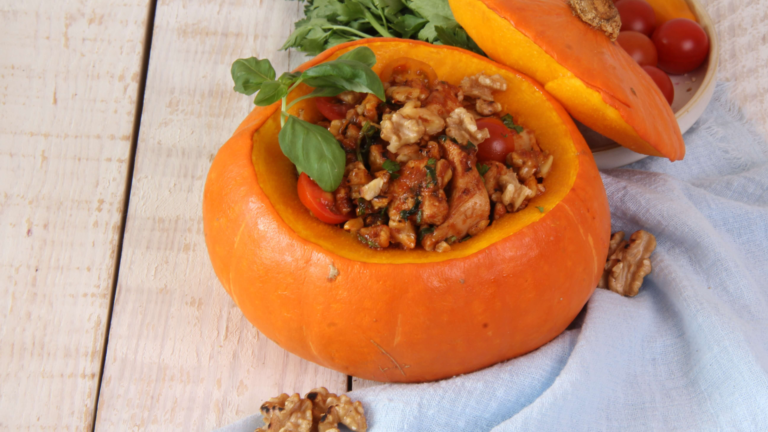
Roasted pumpkin works wonderfully in pasta dishes—try cubing it and tossing with sage, brown butter, and parmesan. It’s also excellent in risotto, where it adds creaminess and subtle sweetness. For something heartier, stuff a small pumpkin with quinoa, vegetables, and cheese, then bake until tender, similar to this Stuffed Sugar Pumpkin with Chicken and Walnuts.
Pumpkin also works in curries and stews. Try it in place of butternut squash in any recipe—they’re often interchangeable.
6. Make Pumpkin Butter or Jam
Pumpkin butter is like apple butter’s autumn cousin—thick, spreadable, and packed with warm spices. It’s perfect on toast, stirred into oatmeal, or used as a filling for pastries.
To make it, cook pumpkin puree with sugar, apple cider or juice, and your favorite fall spices (cinnamon, ginger, cloves, nutmeg) until thick and concentrated. The mixture should coat the back of a spoon when ready. This typically takes 1-2 hours of gentle simmering.
Store pumpkin butter in sterilized jars in the refrigerator for up to 2 weeks, or process in a water bath for long-term pantry storage. It makes wonderful homemade gifts during the holiday season.
7. Add Pumpkin to Breakfast
Starting your day with pumpkin adds fiber, vitamins, and satisfying flavor to breakfast. Pumpkin puree blends seamlessly into many morning favorites.
Stir it into oatmeal or overnight oats along with cinnamon and a drizzle of maple syrup. Add a few tablespoons to your pancake or waffle batter for extra moisture and nutrition. You can even blend pumpkin puree into smoothies with banana, yogurt, and pumpkin spice for a creamy, autumn-inspired drink.
For a savory breakfast option, try adding roasted pumpkin cubes to breakfast hash or frittatas. The natural sweetness balances well with eggs and cheese.
8. Roast Pumpkin Chunks
Sometimes the simplest preparation is the best. Roasted pumpkin chunks are caramelized on the outside, tender on the inside, and incredibly versatile.
Peel and cube your pumpkin, toss with olive oil, salt, and pepper, then roast at 425°F until golden and tender (about 25-30 minutes). Add them to salads, grain bowls, or serve as a side dish. Try them in this Mediterranean Roasted Vegetables recipe by swapping in pumpkin.
Roasted pumpkin also works beautifully in Buddha bowls, on top of pizza, or tossed with pasta. Season with herbs like rosemary, thyme, or sage for extra flavor.
9. Make Pumpkin Stock
The stringy bits and skin you scoop out of pumpkins contain flavor that shouldn’t go to waste. Use them to make a subtly sweet vegetable stock.
After removing seeds and the worst of the stringy pulp, simmer the scraps with onion, carrot, celery, herbs, and water for about an hour. Strain well and use the stock in soups, risotto, or anywhere you’d use vegetable broth. The pumpkin adds a hint of sweetness and body to the stock.
This is particularly useful if you’re making multiple pumpkin recipes and have lots of scraps to use up. The stock freezes well for up to 3 months.
10. Preserve Pumpkin by Freezing
Freezing is the easiest way to preserve pumpkin for later use. Both raw and cooked pumpkin freeze well, though cooked has better texture after thawing.
For puree, freeze in measured portions (1 or 2 cups) in freezer bags or containers. This makes it easy to thaw exactly what you need for recipes. For chunks, spread them on a baking sheet to freeze individually, then transfer to bags—this prevents them from sticking together.
Properly stored frozen pumpkin lasts 10-12 months. Label bags with the date and amount so you know what you’re working with. Thaw overnight in the refrigerator before using.
11. Can Pumpkin for Long-Term Storage
If you have a large harvest, canning lets you preserve pumpkin for a year or more. Cubed pumpkin can be safely canned using a pressure canner (water bath canning isn’t safe for pumpkin).
Note that the USDA doesn’t recommend canning pumpkin puree at home due to density issues that can prevent proper heat penetration. Stick to cubing pumpkin for canning, then puree it after opening if needed. Follow tested canning recipes and processing times carefully for food safety.
Canned pumpkin cubes work perfectly in soups, curries, and stews straight from the jar. They’re already cooked and just need heating through.
12. Dehydrate Pumpkin
Dehydrated pumpkin creates chewy, sweet chips or can be ground into powder for baking. It’s a space-saving preservation method and makes unique snacks.
Slice pumpkin thinly (about 1/8 inch), toss with a bit of oil and seasonings if desired, then dehydrate at 135°F for 10-14 hours until completely dry and crisp. For powder, dehydrate unseasoned pieces until brittle, then grind in a spice grinder or food processor.
Use pumpkin powder in smoothies, baked goods, or to add pumpkin flavor to spice mixes. The chips make a healthy alternative to potato chips and are great for lunchboxes.
13. Compost Inedible Parts
After you’ve used every edible part of your pumpkin, compost what’s left. Pumpkin skin (if it’s too tough), stems, and well-cleaned stringy bits all break down nicely in compost.
Chop larger pieces into smaller chunks to speed decomposition. If your pumpkin was used as a decoration and sat outside for weeks, it’s likely better for compost than eating anyway. Just make sure to remove any candle wax, glitter, paint, or other decorations first.
Composting closes the loop on food waste and creates nutrient-rich soil for your garden. Your future vegetables will thank you.
What to Do with Pumpkins After Halloween
If you decorated with pumpkins and they’re still in good shape after Halloween, you can absolutely eat them. Check that they haven’t started to rot, mold, or freeze (frozen pumpkins turn mushy).
Wash the outside thoroughly if they’ve been sitting outdoors, then cut away any soft spots or damaged areas. The flesh should still be firm and smell fresh. Carved pumpkins are trickier—they dry out quickly and can harbor bacteria, so it’s safer to compost those unless you carved them just a day or two before.
Uncarved decorative pumpkins can last for months in cool, dry storage. Just make sure you’re using cooking varieties (sugar pumpkins, pie pumpkins) rather than carving pumpkins, which tend to be watery and bland.
How Long Do Pumpkins Last?
Whole, uncut pumpkins stored in a cool, dry place can last 2-3 months. Keep them at 50-55°F if possible—not in the refrigerator, but in a cool basement, garage, or pantry. Make sure they have good air circulation and aren’t touching each other.
Once cut, fresh pumpkin lasts 5-7 days in the refrigerator wrapped tightly. Cooked pumpkin keeps for about a week refrigerated. For longer storage, freezing or canning is your best bet.
Check stored whole pumpkins regularly for soft spots or mold. One bad pumpkin can affect others nearby, so remove any that are starting to deteriorate.
Can You Use Carving Pumpkins for Cooking?
Technically yes, but they’re not ideal. Carving pumpkins (like the big jack-o’-lantern types) have stringy, watery flesh with less flavor than cooking varieties. They’ll work in a pinch but produce bland, watery results.
Look for sugar pumpkins, pie pumpkins, or other cooking varieties instead. These are smaller (usually 4-8 pounds), have denser flesh, and taste sweeter. Many grocery stores label them specifically as “pie pumpkins” or “sugar pumpkins” in the fall.
If you do use a carving pumpkin, you’ll need to drain off excess liquid and may need to cook it longer to concentrate the flavor. It’s edible, just not optimal.
Pumpkin Substitutes When You Don’t Have Fresh
If you don’t have fresh pumpkin or it’s out of season, you have options. Canned pumpkin puree works perfectly in most recipes and is actually more consistent than homemade. Just make sure you’re buying pure pumpkin, not pumpkin pie filling.
For fresh chunks in recipes, butternut squash is your best substitute—the flavor and texture are very similar. Sweet potato also works in many applications, though it’s a bit sweeter. For more options, check out this guide on pumpkin substitutes.
In baking, you can sometimes substitute applesauce, mashed banana, or even Greek yogurt for pumpkin puree, depending on the recipe. The texture will differ slightly, but these all add moisture and work as binders.
Frequently Asked Questions
What can pumpkins be used for? Pumpkins can be used for making purees, soups, breads, muffins, pies, savory dishes like risotto and curry, roasted seeds, pumpkin butter, and as additions to breakfast foods like oatmeal and smoothies. You can also preserve them by freezing, canning, or dehydrating.
What can you do with a pumpkin besides carving? Besides carving, you can cook pumpkin in dozens of ways—roast it, puree it, make soup, bake with it, or add it to savory dishes. You can also preserve it for later, make stock from the scraps, and compost any inedible parts.
Are pumpkin guts edible? The stringy pulp (guts) around the seeds is technically edible but very fibrous and not pleasant to eat. It’s better used for making stock or compost. The seeds themselves are absolutely edible and delicious when roasted.
Can you eat decorative pumpkins? Most decorative pumpkins are edible if they’re food-safe varieties, but they’re often not tasty. Carving pumpkins are watery and bland. Small decorative varieties sold as “gourds” may have tough, bitter flesh. Stick to varieties labeled for cooking or eating.
How do you preserve a pumpkin? To preserve fresh pumpkin, freeze it as puree or chunks, can cubed pumpkin using a pressure canner, or dehydrate thin slices. Whole pumpkins store for 2-3 months in cool, dry conditions. Once cut, refrigerate and use within a week.
Final Thoughts
Pumpkins are one of fall’s most versatile ingredients. Whether you’re making sweet treats, savory dinners, or preserving for winter, these orange gems deserve a place in your kitchen beyond Halloween decorations.
The key is choosing the right variety—pick sugar or pie pumpkins for cooking—and not letting them go to waste. From the flesh to the seeds to even the scraps for stock, you can use nearly every part of a pumpkin.
What will you make with your pumpkins this season? If you’re looking for more fall ingredient inspiration, check out our guides on sweet potatoes, apples, and cranberries.
For more seasonal recipes and cooking tips, subscribe to our newsletter and follow us on Pinterest for daily recipe inspiration!