
Dietary Fibre – What Is It and Why We Need It
We all know there are lots of elements to a healthy diet, all that balancing of nutrients our bodies need to work properly. One that gets mentioned a lot is dietary fibre, sometimes known as soluble fibre or insoluble fibre. But what is it and why do we need it? And where do we get it from?
As an Amazon Associate I earn from qualifying purchases and sometimes recommend products from other sellers at no extra cost you. For more details see my disclosure policy and privacy policy.
What is dietary fibre?
First, the scientific stuff. Dietary fibre is a term that covers plant-based carbohydrates that are different from other carbohydrates such as sugar and starch. The reason they are different is that these plant-based carbohydrates aren’t digested in the small intestine but move on to the large intestine or colon for digestion.
Soluble and insoluble fibres aren’t scientific terms as such, but they are a good way to separate up the types of dietary fibre. Soluble fibres include pectin and beta glucans that are found in foods like fruit and oats. Insoluble fibre includes cellulose which comes from nuts and whole grains. Many fibre rich foods have both types in them.
Health benefits of fiber
So that’s an idea of what dietary fibre is the next question is why do we need it? Our bodies use it for a number of things and there are some well-documented benefits that come from eating the right amounts of it.
Improves gut health
We’ve all heard about the good bacteria in our gut that helps everything work properly. Well, dietary fibre is good for the good bacteria. It helps numbers of the bacteria increase and therefore protects the stomach and intestine properly.
Manage weight
Fibre-rich foods are good for two things – filling you up and keeping you feeling fuller for longer. This means they are very helpful when it comes to weight loss and managing your weight. These types of food can help you avoid the urge to snack and can also help to stop the body from absorbing calories from other foods.
How does it do this? By binding to the fat and sugar molecules and helping them speed through the digestive tract rather than settling anywhere and adding to your body. One study found that people who doubled their fibre intake lose as much as 90-130 calories a day due to this.
For many people losing weight is no problem but keeping it off can be the challenge. Again, that fibre content is helpful. Okay, some tests were on mice, but they are a good indicator – those little creatures were found to gain weight and have more body fat on a low fibre diet versus those on a high fibre diet.
Reduce some health risks
Dietary fibre has some protective effects to help have a reduced risk of having some common health conditions. For example, the beta glucan fibre in oats and barley has been shown to lower cholesterol levels. Eating 3 grams or more as part of your diet can, therefore, reduce the risk of heart disease, cardiovascular disease and stroke.
It has also been shown to help combat bowel and colon cancer. Experts are still a little hazy on why, but it seems to be to do with the good flow through the body and its ability to help those friendly bacteria in the gut.
Types of dietary fiber
Fiber is an important part of our diet, and it comes in two forms: soluble and insoluble. Both are beneficial, so you don’t need to worry about which one to include in your diet – just focus on getting enough fiber overall.
High fibre foods include whole grains, beans, lentils, nuts, and seeds. Soluble fiber dissolves in water and forms a gel-like substance, which can help to slow down digestion and keep you feeling full. Insoluble fiber, on the other hand, does not dissolve in water and helps to add bulk to our stool, which can aid in bowel regularity.
So as you can see, both types of fiber are important for keeping our digestive system healthy. next time you’re at the grocery store, be sure to stock up on high-fiber foods!
Soluble fiber
Soluble fiber dissolves in water and forms a gel-like substance in the stomach. The gel is broken down by bacteria later in the large intestine. Soluble fiber adds calories to the diet of humans.
Soluble fiber provides the following benefits:
- By affecting how the body absorbs dietary fat and cholesterol, lowering LDL cholesterol in the blood is possible.
- By slowing down the digestion of other carbohydrates, this can help to regulate blood sugar levels.
Soluble fibre-rich foods include:
- beans
- fruits
- oats
- nuts
- vegetables
Insoluble fiber
Insoluble fiber is a type of dietary fiber that does not dissolve in water and goes mostly untouched through the gastrointestinal tract. It’s beneficial because it helps add bulk to stool, making bowel movements quicker, and can also help with constipation prevention.
Good sources of insoluble fiber include:
- fruits
- nuts
- vegetables
- whole grain foods
Recommended intake
The correct amount of fiber for a 2,000 calorie diet, according to the Academy of Nutrition and Dietetics, is:
- 25 grams (g) per day for adult females
- 38 g per day for adult males
At the age of 50, people require less fiber daily, with women consuming around 21 g and males taking 30 g. Women should consume at least 28 g each day during pregnancy or nursing to help get the beneficial effects of it.
You can always get an idea of how much fiber is in an ingredient or dish by looking at the nutrition label. That way you have an idea of what high fiber foods you eat and what the fiber content is of your favorite dishes.
How much is too much?
Excess fiber in the diet can cause bloating, gas, and constipation. These adverse effects may occur if a person consumes more than 70 grams of fiber each day. This is unusual, but it might happen if someone is on a raw or whole food diet, a high-fiber diet or while being vegan, paleo, or ketogenic diets in some bases.
Best foods for dietary fibre
So how can you find those food sources containing fibre and get this recommended amount into your diet? Here are some of the common ones that are good for their fibre content.
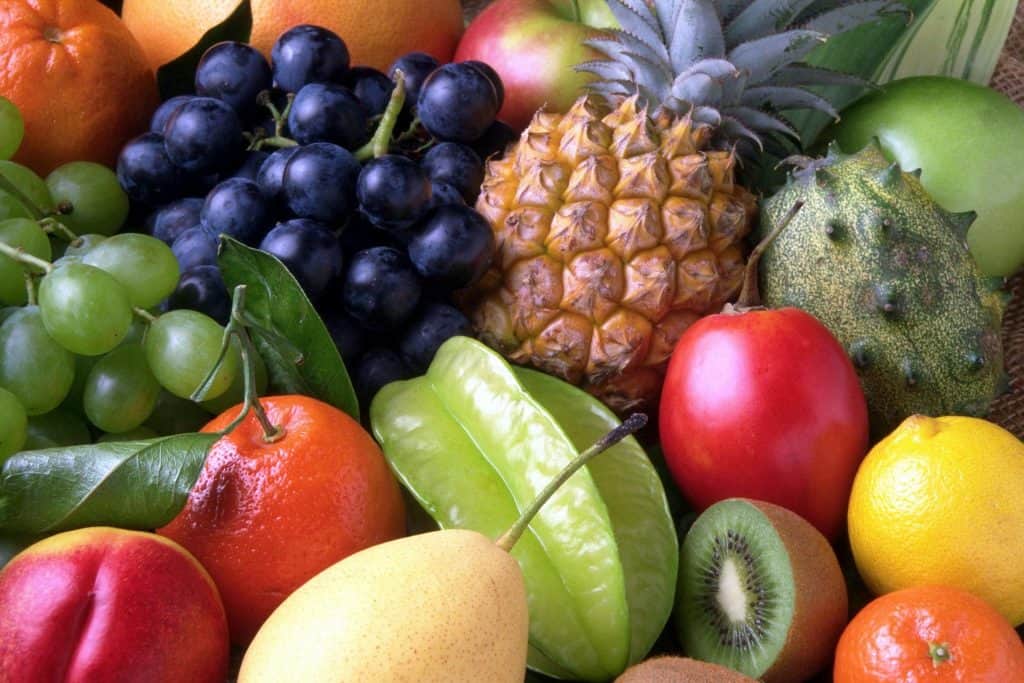
Fruit
Apples are a great source of fibre with one medium apple with peel containing 4.4 grams of fibre. Try and keep that peel in place because it also contains lots of useful phytochemicals (plant chemical) that bring extra benefits.
Pears are another one that is good for fibre content. A medium pear has 5.5 grams of fibre in it and this is why it is a common suggestion when you are a bit constipated.
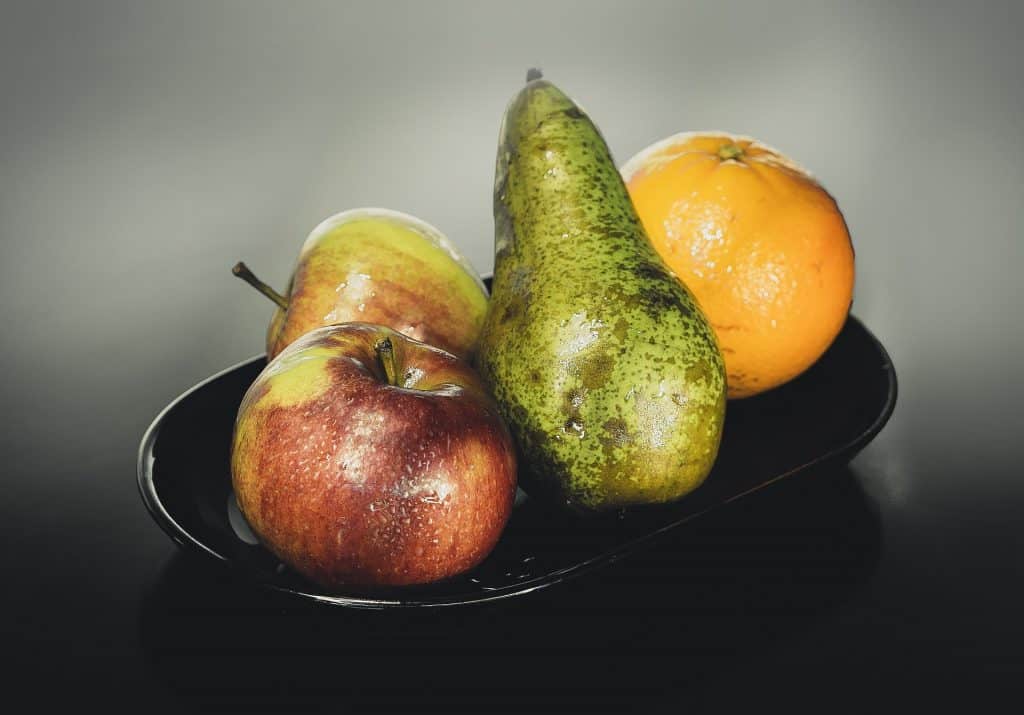
Fresh fruit is always best but if you are a bit stuck, dried fruit also has benefits. If you get a 50gram portion of dried figs, for example, it will contain 4 grams of dietary fibre.
Vegetables
Parsnips are easy to cook (a lot like a carrot) and bring plenty of fibre to the meal – you can even serve them mashed. A parsnip 9 inches in length has 5.8 grams of fibre in it.
Broccoli is popular for many health benefits and it also contains 2.4 grams per cup of chopped veg. You also get Vitamin C and K in it but don’t overcook it as this can reduce the goodness levels.
Spinach is often said to be something of a superfood and with good reason. It contains a lot of iron which boost the metabolism and a portion contains 7.5 grams of fibre. You can easily add it to a smoothie to make a fibre boosting green smoothie.
Brussel Sprouts are a bit of an acquired taste but when cooked in the right way they can make for a great side dish. A one cup portion of sprouts will contain 3.8 grams of fibre so it is worth trying to get your family on board with them!
Sweet Potatoes are a great option for fibre. A medium size one contains 4.8 grams of dietary fibre which is good to help prevent constipation and keep your bowels healthy.
Beans
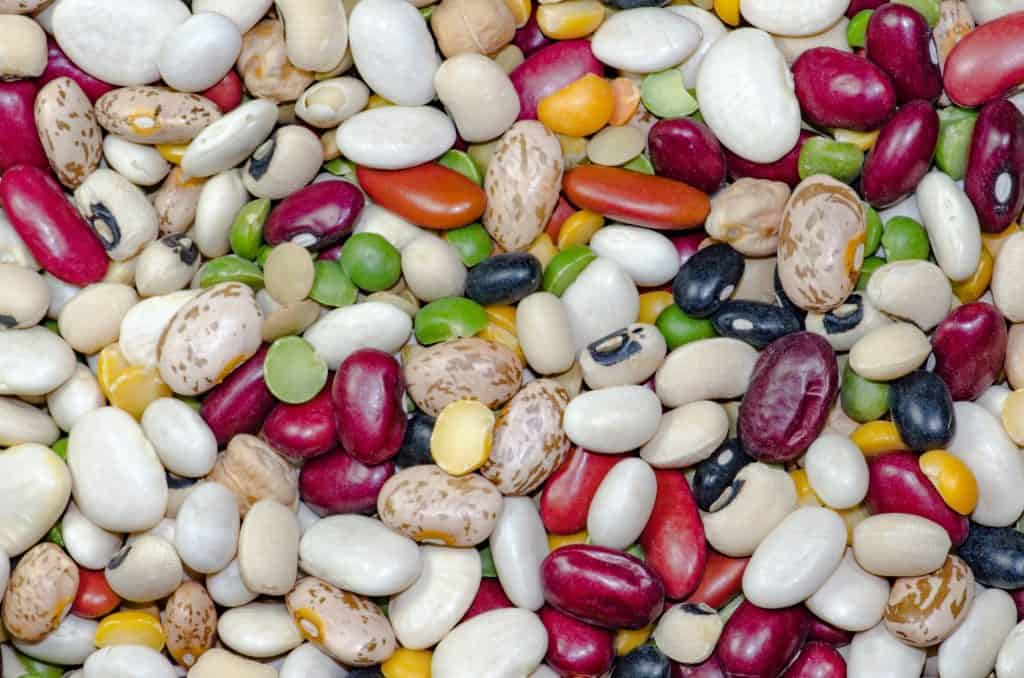
Beans are one of the top sources of fibre with a cup of cooked black beads having 15 grams per serving and while beans even more at 18.6 grams. If you don’t normally eat beans, increase your amounts slowly to let your stomach adjust. Even a tin of baked beans (200 grams) contains 7 grams of fibre.
Black Beans can be added to a range of meals and dishes or served as a main dish. They are also an excellent source of protein, iron and zinc.
Kidney Beans are a good source of fibre, protein and other key vitamins and minerals. They are also low in fat and can be used to make hummus, soup or salad. A 1/2 cup serving of cooked kidney beans contains 7.5 grams of dietary fiber.
Grains
Oats are another great way to get fibre in the diet. A cup of cooked oats contains 4 grams but even better is that it is a slow-release carbohydrate so it will not give you an energy rush and crash. Try adding oats to your smoothies, pancakes or adding them on top of your breakfast.
Whole grains such as wheat, barley and rye are great sources of fibre with 1/2 cup of cooked wheat having 4 grams in it. Whole grain is the best option here as it contains the outer layer of the grain which is where you get most of your fibre from. Whole grains can be added to breads, salads or even soups.
Quinoa is something I can’t say properly but I know is very good for you! It is actually a seed, not a grain but let’s leave it here for simplicity. A cup contains 5.2 grams of fibre as well 8.1 grams of protein per cooked cup.
Rice isn’t always seen as a great source of fibre but if you opt for the brown variety over white rice, then it will give you 3.5 grams per cooked cup. Brown rice contains more vitamins and minerals so it is worth the switch.
Nuts and seeds
Chia seeds are often added to smoothies and other dishes because they are small, but they also pack a lot of punch. At 10.6 grams of fibre per ounce, they are a great source and are also easy to digest. You can add them to homemade yoghurt for a simple way to eat them.
Nuts are always good stuff but, in this case, almonds, pecans and walnuts are the ones that contain the highest degree of fibre in them.
Other tips
There are also some easy ways to increase the dietary fibre in your diet by making some simple changes to your diet. Here are a few ideas to add some high-fibre foods into your menu planning:
- Go for bran cereals for breakfast or a bowl of oatmeal as these are the highest in fibre content
- Add flax seeds or bran to muffins, loaves and even some cake recipes
- Use flax and chia seeds in smoothies, yoghurts and soups
- Look at oat dishes like oatmeal as they are a great source of fiber
- Try to eat a little less meat and a few more beans or some leafy greens to help fill you up
- Or cut out a few of those French fries and substitute it for a portion of salad with spinach in it
- Try to keep the skin on fruit and vegetable where possible as this is often the highest fibre area
- Try adding nuts to a recipe such as a smoothie or a cake
- Enjoy some dark chocolate – it is full of good stuff (honest!)
- Read the label of your foods and understand what is in it – high fibre foods are those that contain more than 30 grams a portion
Plant-based foods
Plant-based foods contain loads of good stuff and should be added to your diet where possible. From plant-based smoothies to fruit salads, simple vegetable soups and other dishes, there are lots of ways to get fibre into your diet while still enjoying plenty of great tasting stuff.
