8 Things to Do with Mint
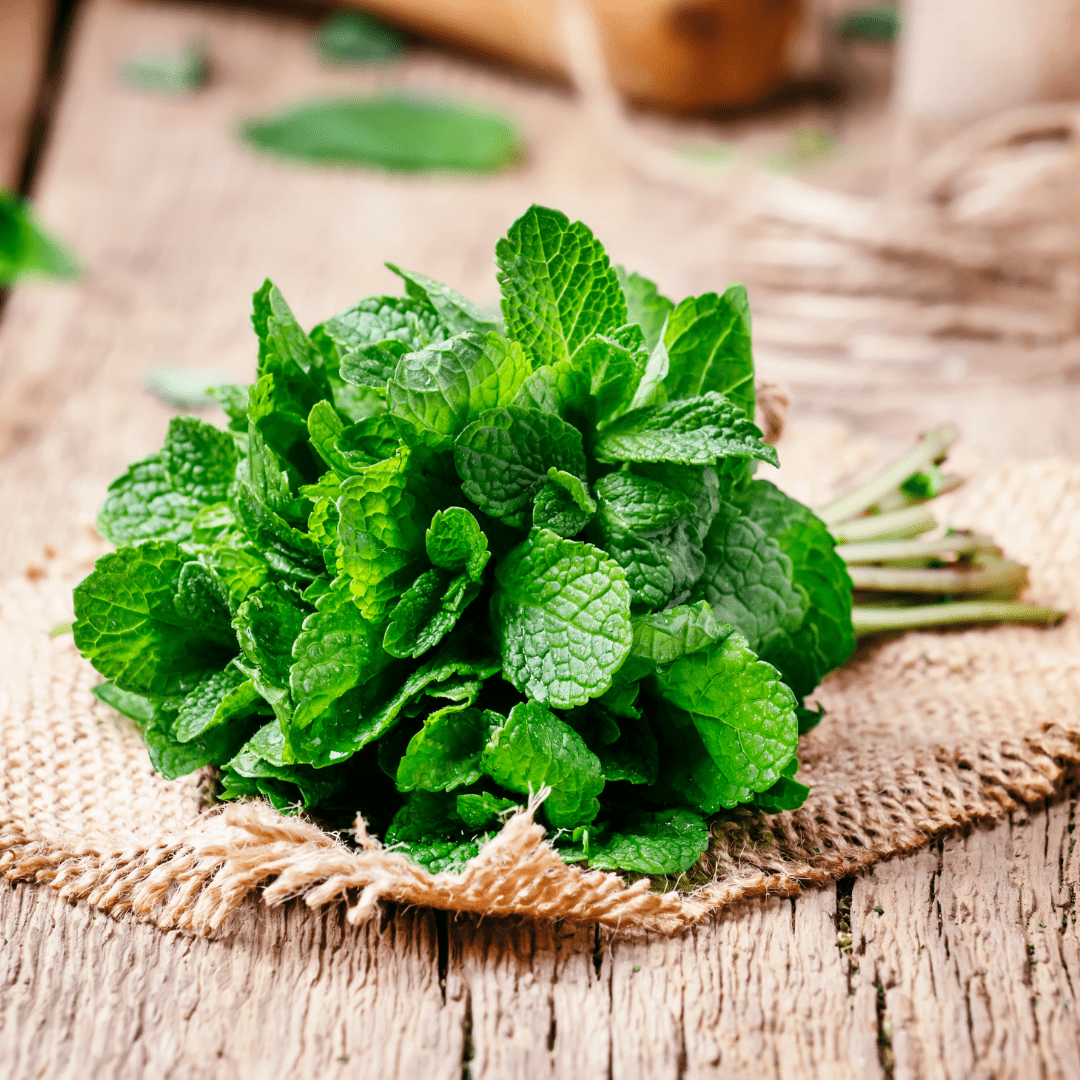
If there’s one herb that is top of the list for people wanting to start to grow their own, it has to be mint. The biggest problem with this family of aromatic herbs isn’t so much growing them as stopping them taking over the garden and are often grown in a pot. While we think of sweets or perhaps mint sauce with lamb, there are so many uses of mint that there is something for everyone.
As an Amazon Associate I earn from qualifying purchases and sometimes recommend products from other sellers at no extra cost you. For more details see my disclosure policy and privacy policy.
Meet the mints
Most of the mint variations we deal with come from the family called Mentha, part of the larger Lamiacea or mint family. The majority of the plants are perennial herbs that come back each year, though there are some annual varieties. Leaves come in a variety of colours from dark green to greyish green and even purple and blue shades. Likewise, their flowers can be white to purple.

The most popular mint species we know in the UK include peppermint (Menthe piperita); Garden mint (Menthe sachalinensis); spearmint (Menthe spicata) and applemint (Mentha suaveolens). In its natural environment, mint plants grow near lakes, rivers and other moist spots with some shade but they are also able to adapt to most conditions, growing all year round and able to work in almost any garden or pot. As well as for their own uses, mint is grown as a companion plant because it repels insects that attack other plants while attracting beneficial ones.
Growing and harvesting mint
You can buy mint seeds from a garden centre or online as well as picking up the established plants anywhere from the local plant nursery to the supermarket. Because they grow easily, they are popular and their smell makes a pleasant addition to a garden pot near a seating area.
Mint can be harvested in small, regular amounts or one big harvest at the end of the year where almost all of the plant is harvested at once. This can usually be done around three times a year, though the later harvest may be a little less potent than earlier ones. Once harvested, the leaves can be used, dried or even cut into smaller pieces and frozen with water in ice cube trays to be defrosted and used as needed.
Uses of mint
The uses of mint are diverse and can focus on its use in food or its aroma. For instance, making peppermint oil is a popular choice for those who like scented oils. It is used in both aromatherapy as well as in cooking and is known to help treat indigestion as well as for aiding with illnesses such as nausea and headaches. It is even beneficial for the hair and skin.
Making peppermint oil is relatively simple, although it probably won’t be quite to the quality of mass produced products. All you need is a bunch of fresh leaves that can be crushed by hand or with a mixed. Stuff them into a jar and add the carrier oil, often olive or almond oil depending on what you want to use the end product for.

Use cling film over the top of the jar then put the lid on and leave to steep for two days in summer or for a month in winter, shaking the jar every 12 hours or so. To use the oil, strain it using cheesecloth and store in a fresh bottle where it will last for three to six months.
Things to do with mint
Mint sauce
Mint sauce is one of the first things people mention when you talk about cooking with mint and is commonly used with lamb and other red meat dishes to add a touch of flavour. It is also simple to make.
Take a bunch of mint, a pinch of salt, 4 tablespoons of boiling water and the same of white wine vinegar then one tablespoon of caster sugar. Strip the leaves, salt then chop finely before adding to a jug. Put the sugar in then pour the water, stir and leave to cool.
Once cooled, stir vinegar into the mix and taste it, adding more water or vinegar depending on your taste. Then it is ready to use.
Mint tea
Fresh mint is perfect to use in making a simple mint tea. You can also make it more of a Moroccan mint tea by using green tea in place of standard black tea bags.
- 1.5 cups tea
- 2 sprigs mint
- 1 tsp honey
- 1 slice of lemon (optional)
Pour the juice into your glasses. Bring water to a boil (either in a kettle or on the stove). Pour the liquid into your glassware.

Place 3 to 5 sprigs of mint in each glass, then roll them about for a few seconds to get the oils flowing. Allow the tea to steep for 3 to 5 minutes before drinking.
Spruce Up Your Water
Add a few sprigs of fresh mint to still or sparkling water for a refreshing taste without the sugar or calories. It’s also beautiful.
If you want to go the extra mile, mint ice cubes are a lovely and refreshing choice for your water. Here’s how to accomplish it:
- Place 2-3 small whole mint leaves (or a few torn large ones) in an ice cube tray and freeze. Fill the ice cube tray with purified water and then freeze it.
If you prefer nice clear ice cubes, boil the water first and let it cool to room temperature before making your mint ice cubes.
Give Your Lemonade a Twist
Mint ice cubes may also be used in a variety of other beverages.
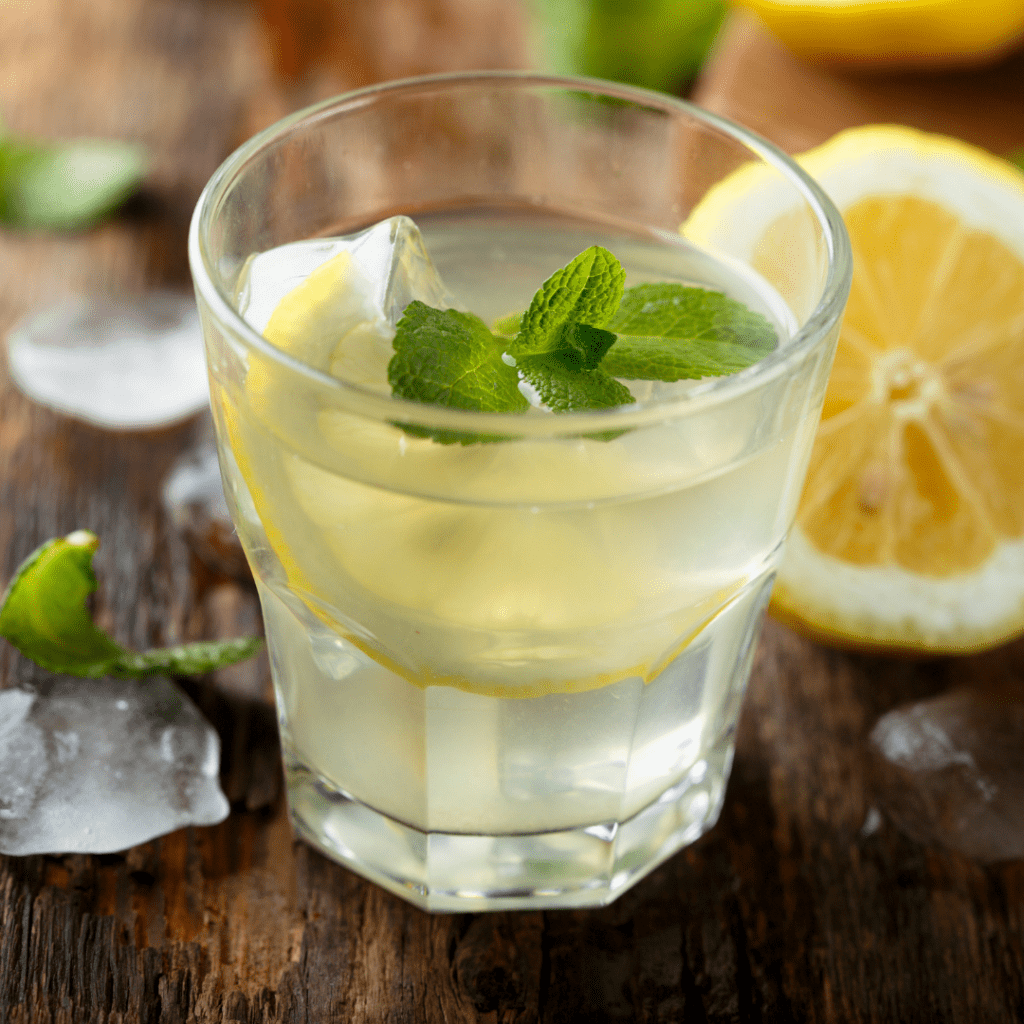
Add a few mint ice cubes or a sprig of mint to your lemonade the next time you make it to add some variety. The combination of lemon and mint is wonderful.
Make Mint Simple Syrup
Mint simple syrup is a wonderful method to add a minty, delightful taste to flavored iced teas and cocktails.
Simply combine 1/2 cup sugar and 3/4 cup mint leaves in a pot or heatproof bowl, then add 1/2 cup boiling water and stir to dissolve the sugar. Allow the mixture to steep for 15-20 minutes before straining into a jar after the sugar has dissolved.
The flavor of simple syrup made at home is superior to store-bought, and it has a shelf life of up to two weeks in the fridge.
Change Up Your Protein Smoothie
Imagine a chocolate and mint smoothie minus the high sugar and fat content of mint chocolate chip ice cream.
For a delicious variation, add 3-4 fresh mint leaves to your chocolate protein shake. Ice, water, chocolate protein powder, flax seeds, and mint whipped in the blender are wonderful. It’s full of flavor and has health advantages.
Mint is also wonderful in fruit smoothies. I’ve never met a smoothie that didn’t benefit from the addition of mint.
Make a Mint Lime Fizzler
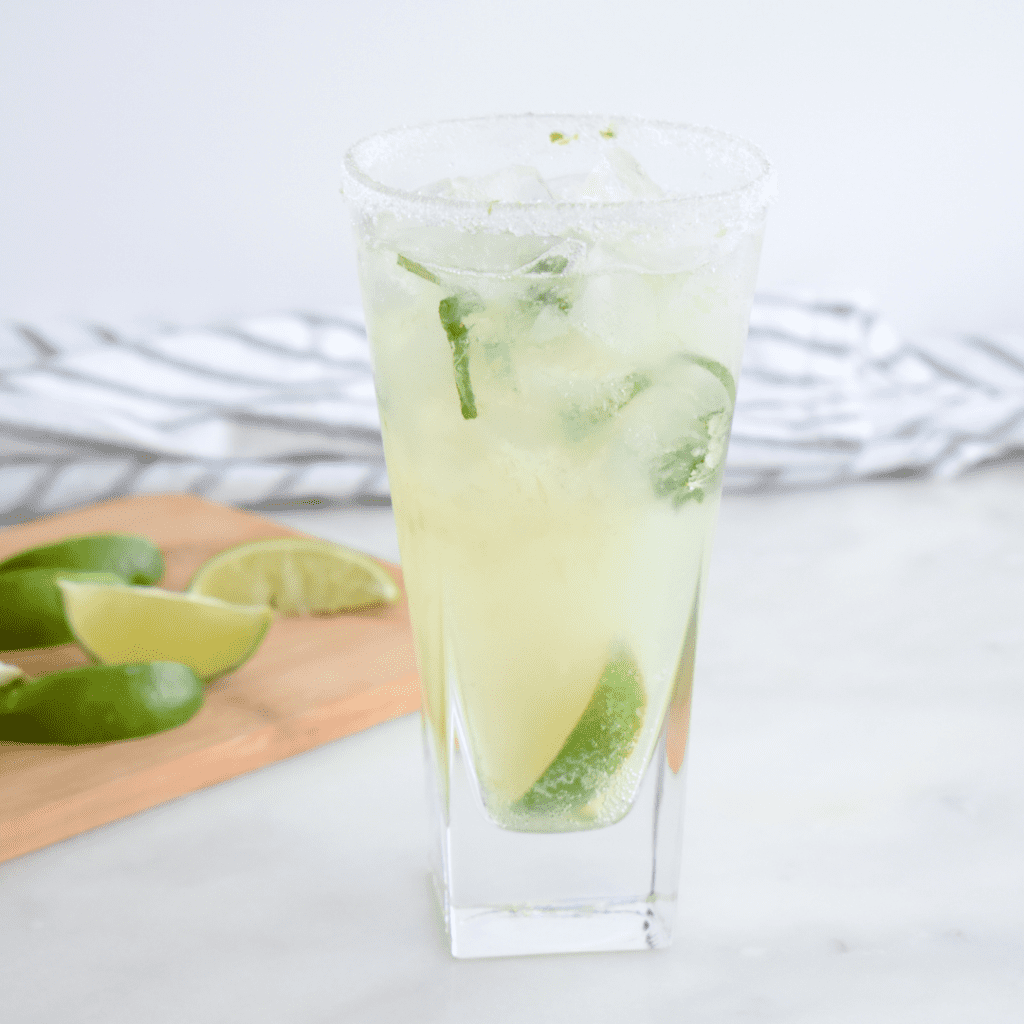
The ideal summer beverage is a mint lime fizzler. To make your own, follow these steps:
- Muddle 5-8 mint leaves in the bottom of a glass.
- Add some ice to the glass then a squeeze of lime and club soda.
- If it needs be sweetened, add some stevia.
Turn this into a low-sugar mojito by adding an ounce of white rum if you want a little afternoon pick-me-up.
Mint Sugar
Mint sugar, which is derived from mint leaves, can be used in tea or mixed with granulated sugar to rim a cocktail glass and as a sweetening agent for cookies or other baked goods. Simply process a 2:1 ratio of granulated sugar and packed fresh mint leaves in your food processor until the sugar becomes green and there are no large pieces.
Keep the mint sugar in the fridge for up to a month. If you want to keep it in the pantry, spread on a parchment-lined sheet pan in a thin layer and bake at 150-200° for 1 hour to 90 minutes, stirring every 15 minutes, until the sugar.
More Mint Recipes

Spiced Cauliflower with Salmon
Looking for a delicious and healthy meal to make tonight? Look no further! This spiced cauliflower with salmon is perfect for a quick and easy dinner. Salmon is a great source of protein, and cauliflower is low in carbs and high in fiber. This recipe is sure to please even the pickiest eaters. So give…