Bell Pepper Substitutes: What to Use Instead in Every Recipe
Maybe bell peppers don’t agree with you, maybe you’re out and don’t want another trip to the shop, or maybe a nightshade intolerance means they’re off the table entirely. Whatever the reason, this guide covers the best swaps by how you’re actually using the pepper, because the right substitute for a stir-fry is not the same as the right substitute for a stuffed pepper.
As an Amazon Associate I earn from qualifying purchases and sometimes recommend products from other sellers at no extra cost you. For more details see my disclosure policy and privacy policy.
One thing worth saying upfront: nothing here is a perfect 1:1 flavor match. Bell peppers have a distinct sweetness and a specific crunch that other vegetables don’t fully replicate, so every swap below comes with a note on what you’ll gain and what you’ll lose.
Substitutes for Stir-Fries and Sautés
For quick-cooking dishes, you want something that holds a bit of texture without fighting the other flavors in the pan.
- Zucchini/courgette: The most flexible swap for stir-fries. It cooks fast, takes on sauce well, and has a mild enough flavor to stay out of the way. Salt and drain sliced zucchini for 10-15 minutes first if your dish can’t handle extra moisture, since it releases more water than bell pepper does as it cooks.
- Celery: Adds a genuine crunch and a savory, slightly peppery note, but it softens quickly once it hits real heat. Add it later in the cooking process than you would a bell pepper if you want to keep any bite.
- Carrots (sliced thin): Bring natural sweetness and hold their shape better than celery under heat, though they need a couple of extra minutes to soften compared to bell pepper.
Substitutes for Stuffed Pepper Recipes
Stuffed peppers need something structural that can hold a filling and stand up to baking, which rules out most of the softer swaps above.
- Zucchini boats: Halve and hollow out zucchini the same way you would a pepper. It won’t hold its shape quite as firmly once baked, so keep an eye on bake time and expect a softer final texture.
- Portobello mushroom caps: A completely different flavor direction (earthy rather than sweet), but the shape and sturdiness make them a genuinely good stand-in for stuffed recipes, especially for anyone avoiding nightshades altogether since mushrooms aren’t one.
- Hollowed tomatoes: Only works if the recipe isn’t already tomato-based, but for the right dish, a large beefsteak tomato holds filling well and bakes down to something closer to a stuffed pepper’s texture than most other options.
Raw and Salad Use Substitutes
When you want crunch and color without any cooking involved, a few swaps come close.
- Celery: The best crunch match here, with a clean, slightly peppery bite that works well in a salad or alongside a dip.
- Cucumber: Milder and juicier than bell pepper, but the crispness makes it a solid stand-in for raw applications where you mostly want texture and color rather than pepper’s specific flavor.
- Jicama: Less common in UK kitchens but worth seeking out if you can find it, since its crunch and mild sweetness are closer to raw bell pepper than almost anything else on this list.
Nightshade-Free Options
If bell peppers are off-limits due to a nightshade intolerance rather than personal preference, the swap needs to avoid the whole nightshade family (so no chilli peppers, tomatoes, or aubergine/eggplant either).
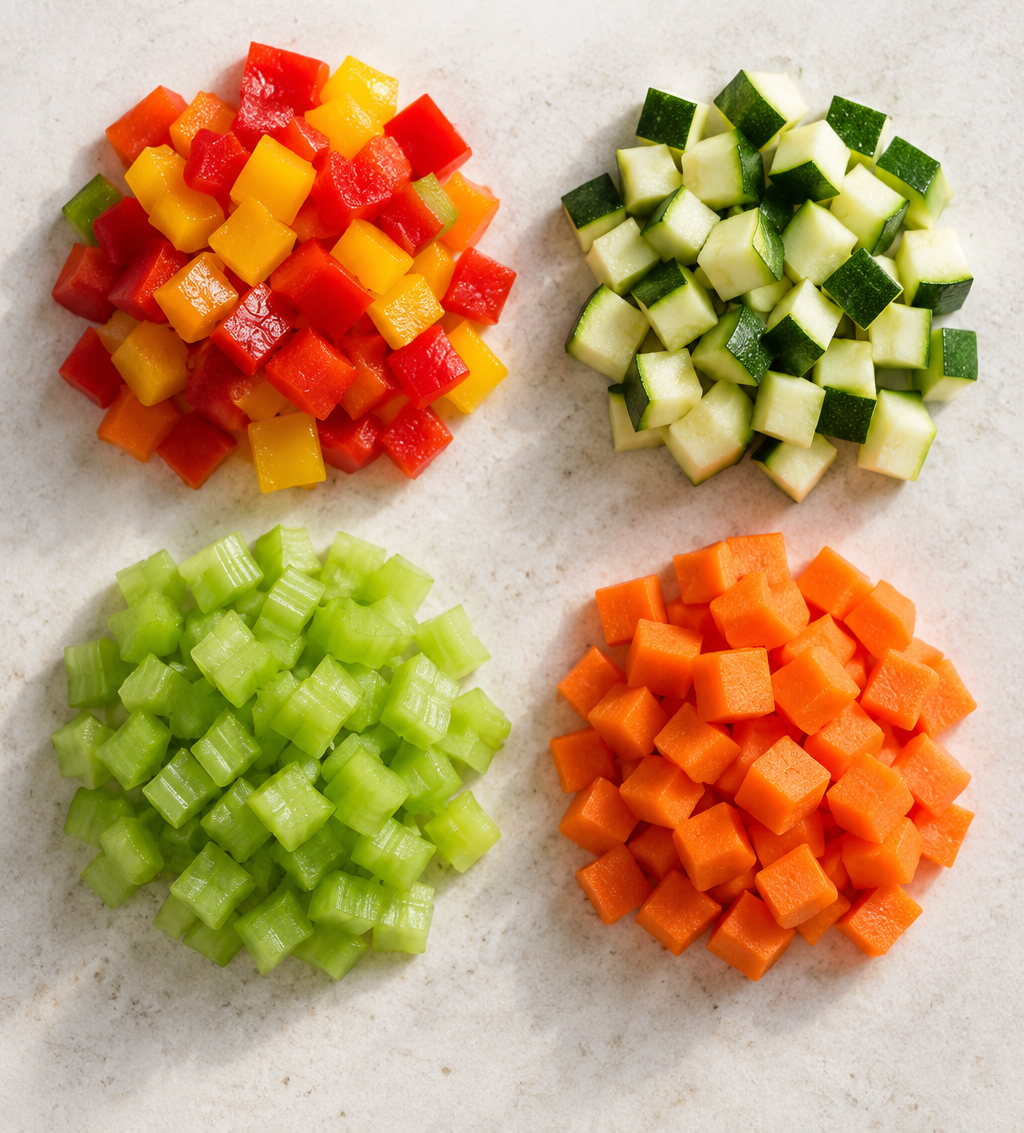
Zucchini, carrots, and celery are all nightshade-free and cover most cooking methods between them: zucchini for cooked dishes that need bulk, carrots for sweetness and structure, and celery for raw crunch. This is a genuine dietary accommodation rather than a health claim, so we’re not going to tell you nightshade-free eating has broader wellness benefits, since the evidence for that outside of a diagnosed intolerance is thin.
Color-Matching Substitutes
Sometimes the recipe cares less about flavor and more about how the dish looks on the plate.
- For red: Try radicchio (cooked, it mellows out) or diced tomato for a similar warm color.
- For yellow: Yellow summer squash is the closest match in both color and how it behaves in a pan.
- For green: Green beans or diced courgette both bring a similar visual pop without introducing pepper’s flavor.
Quick Reference: Swap Ratios
| Bell Pepper Use | Best Substitute | Ratio | Notes |
|---|---|---|---|
| Stir-fry/sauté | Zucchini | 1:1 by volume | Salt and drain first if moisture-sensitive |
| Stir-fry/sauté | Carrots (thin sliced) | 1:1 by volume | Add a few minutes earlier than pepper |
| Stuffed peppers | Portobello caps | 1 cap per pepper | Bake time similar, texture firmer |
| Stuffed peppers | Zucchini boats | 1:1 by size | Shorter bake time, softer result |
| Raw/salad | Celery | 1:1 by volume | Best crunch match |
| Raw/salad | Cucumber | 1:1 by volume | Milder flavor, more moisture |
| Nightshade-free | Zucchini, carrot, or celery | 1:1 by volume | Choose based on cooking method above |
If you’re just looking for more ways to use up bell peppers you already have rather than a substitute for them, our 9 Things to Do with Bell Peppers roundup covers that side of things. And if heat level or a specific pepper variety is the actual issue rather than bell peppers generally, our guide to types of chilli peppers breaks down the full heat scale.
Frequently Asked Questions
What’s the closest substitute for raw bell pepper in a salad? Celery gets you the closest crunch, while cucumber is a good option if you want something juicier and milder.
Can I substitute bell peppers 1:1 in every recipe? Not quite. Volume-for-volume swaps work fine in most cases, but cooking time and moisture levels vary by substitute, so check the notes in the table above before you commit.
Is there a good substitute for bell peppers in fajitas? Zucchini and thinly sliced carrots both work well here, though neither will give you the same sweet, slightly charred flavor bell peppers develop under high heat. A quick char in a very hot pan helps either one get closer.
Are any of these substitutes better for a nightshade allergy specifically? Zucchini, carrots, and celery are all nightshade-free, which covers most cooking situations. Just double-check any sauce or seasoning blend in your recipe too, since chilli powder and paprika are also nightshades.
If you’ve recently updated a swap for a related ingredient, our recent leek substitutes guide uses the same kind of use-case breakdown if you want more of this format.