
How to Use Coriander and Why It is Healthy
When you talk about coriander, you tend to think of simple dishes like carrot and coriander soup or perhaps adding it to Indian dishes. But coriander is actually a very versatile herb that has a lot of uses and also a surprising number of benefits.
As an Amazon Associate I earn from qualifying purchases and sometimes recommend products from other sellers at no extra cost you. For more details see my disclosure policy and privacy policy.
What is coriander?
Coriander is a plant of many names – it’s Latin name is Coriandrum sativum while it is also known as cilantro in the US, as Chinese parsley and as dhania in India. The plant itself originally came from southern Europe and northern Africa as well as south-western Asia and has variable shaped leaves as well as small white or pale pink flowers.
As a cultivated plant, coriander has been used since the times of Ancient Greece with a Linear B tablet from Pylos referring to its use in making perfumes as well as its seeds being used in food. It was taken by early settlers to North America in the mid-1600s and was one of the first spices they cultivated.
What parts of coriander plants can you eat?
All of the plant is edible but the leaves and the dried seeds are the most popular parts. The leaves of the plant are said to have a citrus tang to them though some people dislike the smell and say it is soapy.
Uses in Indian food are diverse from chutneys and salads as well as main dishes while it is also used in Chinese, Thai, Mexican, Russian and other traditional cuisines. The seeds can be dried and ground and also have a lemon flavour when crushed or warm and orange flavoured when dried. They can be roasted and are an Indian snack called dhana dal when this is done.
In addition to being edible, the plant is also used to help with the control of aphids on lettuce plants. A scheme in the Salinas Valley of California found that by planting coriander with the lettuce, the plant attracts hoverflies which lay their eggs on it. These eggs hatch and the larvae eat hundreds of aphids a day, protecting the lettuce plants from a top pest.
Growing coriander
It is simple to get your hands on coriander, including small plants in the supermarkets, fresh leaves in packets and ground seeds in the herb and spice aisle. It is also a reasonably easy herb to grow and can be done in the house. It likes sunshine but also a little shade at the hottest part of the day.
The best way to grow it is from seed and sowing them in the pot they will remain in as the plants are a bit sensitive to being transplanted. If you want the seeds primarily, then full sun is ideal as this will trigger quick flower production while for the leaves, keep a little more in the shade.
Health benefits
While any health benefits assigned to herbs and spices has to be viewed with a little caution unless scientifically backed, there are a number of solid benefits that coriander may offer.
Lower cholesterol
Coriander includes a number of acids including linoleic, oleic and ascorbic acids that have been linked with reducing cholesterol levels in the blood, particularly the ‘bad’ cholesterol called LDL. This is the stuff that accumulates along the arteries and can cause blockages but these acids help to break it down and stop the accumulation. The herb has also been shown to boost levels of the ‘good’ cholesterol or HDL.
Reduce blood sugar levels
Coriander has also been shown to help stimulate the endocrine glands and the secretion of insulin which is beneficial to people suffering with diabetes. It helps to level out blood sugar levels and avoid those lows and highs that can be so dangerous to a diabetic.
Help the eyes
Coriander contain lots of Vitamin C and this is particularly useful to help the eyes. The body uses it in the collagen in the corneas as well as to make sure blood vessels are strong, especially those delicate ones in the eyes. Plus it contains beta carotene which is transformed into Vitamin A and this also helps the eyes.
Other health benefits of coriander
Other possible benefits include helping control blood pressure due to the interaction of two elements within the plant. It can help with digestion and ease diarrhoea as well as assisting in the healthy function of the liver and bowel. It has long been used in natural medicines as a preventative for nausea, vomiting and stomach problems as well as to treat mouth ulcers, due to the presence of citronelol, a natural antiseptic.
Things to Do with Coriander
Now we know why coriander is not only really tasty but super healthy, let’s get some ideas about what we can do with. Remember, you will often see it called cilantro, especially in recipes that originated in the US. That’s the leaves of the herb. You can also see the call for coriander seeds.
Salads and light meals
Let’s start with salads and light meals that are handy to fill those gaps in the menu.
Carrot & Coriander Soup
One of the best known coriander dishes is Carrot and Coriander Soup. There are loads of different recipes available but the basic of the dish uses an onion and 450g of carrots that are sliced and prepared then cooked for a few minutes until softened.
Added to this is a teaspoon of ground coriander and salt and pepper. After a minute, add 1.2 litres of vegetable stock and bring the mixture to the boil then simmer until the vegetables are tender. Transfer the mixture to a blender and blend until smooth then stir in the fresh coriander and serve. Other recipes add crème fraiche or cream to make for a creamier flavour.
Watermelon Feta Salad with Lime Cilantro Vinaigrette
Watermelon and Feta cheese make such a perfect pair. The saltiness of the Feta is the perfect complement to the inherent sweetness of watermelon. When paired with the peppery taste of fresh arugula and the tangy goodness of the homemade lime-cilantro vinaigrette, you’ve got an incredible taste sensation that is sure to become a new family favourite.
Tip: If possible, prepare the lime-cilantro vinaigrette in advance to give the flavours a chance to develop.
Prep time: 20 minutes
Cook time: n/a
Serves: 4
Lime-Cilantro Vinaigrette Ingredients:
- 2 T. fresh lime juice
- 3 T. fresh cilantro, chopped (+ extra sprigs for garnish)
- 3 T. grapeseed oil
- 1 t. Dijon mustard
- 1 T honey
- 2 t. ground cumin
- Sea salt and black pepper, to taste
Salad Ingredients:
- 2 small chilled seedless watermelons, cut in half
- 4 oz. Feta cheese, cut into evenly sized pieces
- 4 c. fresh arugula
Directions:
- To prepare the vinaigrette, add all ingredients to a medium glass bowl and whisk to combine. Taste and adjust seasonings, as desired, and set aside.
- Cut watermelons in half, then carefully remove and reserve the flesh in a large bowl. (Cut the watermelon into bite-sized pieces, if necessary).
- Pat the inside of each empty watermelon rind with a paper towel to dry. Set aside to use as serving bowls for the finished salad.
- Add Feta cheese and arugula to the bowl with the watermelon. Drizzle the vinaigrette on top and season with salt and black pepper, to taste. Gently toss to combine.
- To serve, transfer the watermelon-Feta mixture to the reserved watermelon rinds and garnish with sprigs of fresh cilantro if desired.
Thai Coconut Curry Soup
Prep time: 10 minutes
Cook time: 15-20 minutes
Serves: 4
Ingredients:
- 2 T. extra virgin olive oil
- 1 small yellow onion, diced
- 1 lb. boneless skinless chicken breast, cubed
- Sea salt and black pepper, to taste
- 3-4 garlic cloves, minced
- 1 1-inch ginger piece, peeled and minced
- 1½ t. ground coriander
- 3 T. Thai red curry paste
- 1 medium green bell pepper, diced
- 1 medium red bell pepper, diced
- 1 medium yellow bell pepper, diced
- 1 14-oz. can full-fat coconut milk
- 2 c. baby spinach
- 2 T. lime juice
- 1 T. maple syrup
- 3 T. fresh cilantro, chopped
- 1 large lime, cut into thin half-round slices
Directions:
- Heat the olive oil in a large high-sided skillet over medium heat. Add the onion and cook until tender and fragrant, about 4-5 minutes.
- Add the chicken and cook, stirring often, until the breast develops a bit of colour, around 4-5 minutes. Season with salt and black pepper, to taste.
- Add the garlic, ginger, coriander, and red curry paste. Cook for 1-2 minutes or until the spices become fragrant.
- Add bell peppers and season with additional salt and black pepper, if desired. Stir to combine and cook until peppers soften and develop a bit of colour, approximately 3-4 minutes.
- Add coconut milk and simmer until slightly thickened, approximately 4-5 minutes. Stir in spinach, lime juice, and maple syrup. Taste and adjust seasonings, as desired. Serve immediately topped with fresh cilantro and lime slices, if desired.
Tex Mex Chicken Soup
Prep time: 20 minutes
Cook time: 40-45 minutes
Serves: 4-6
Tex-Mex Seasoning Mix Ingredients:
- ¼ c. chilli powder
- 2 T. ground cumin
- 2 t. ground coriander
- 1 T. garlic powder
- 2 t. smoked paprika
- 1 t. fine sea salt
- ½ t. black pepper
Ingredients:
- 2 T. extra virgin olive oil, divided
- 2-3 large cloves garlic, finely chopped
- ½ medium white onion, diced
- 1 medium red bell pepper, diced
- Sea salt and black pepper, to taste
- 1 14-oz. can diced fire-roasted tomatoes with green chillies, with liquid
- 1 15-oz. can black beans, drained and rinsed
- 2 whole bay leaves
- 3½ c. chicken broth, preferably organic
- 1 lbs. boneless, skinless chicken breasts
- 1 c. sweet corn kernels
- 3 T. fresh lime juice
To Serve:
- 1 large avocado, diced
- Fresh cilantro, chopped
- 1 large lime, cut into wedges
Directions:
- To prepare the Tex-Mex seasoning mix, combine all ingredients in a medium-sized bowl and stir to combine. Transfer to an airtight storage container and store in a cool, dry place for up to 6 months.
- Add olive oil, garlic, onion, and red bell pepper to a large, high-sided skillet set over medium heat. Sprinkle two tablespoons of the Tex-Mex seasoning mix on top and stir to combine. Cook, stirring frequently until vegetables are crisp-tender and start to develop some colour, approximately 4-5 minutes.
- Add fire-roasted tomatoes, black beans, bay leaves, and chicken broth and stir to combine. Nestle the chicken breasts into the skillet so they are completely submerged in the liquid.
- Increase heat to medium-high and bring to a rapid boil, then immediately reduce heat to just below medium. Cover skillet loosely with a lid and simmer for 35-40 minutes, or until the chicken is cooked through and shreds easily with two forks.
- Stir in corn and fresh lime juice and simmer until heated through approximately 5-10 minutes. Remove from heat and discard bay leaves. Taste and adjust seasonings, as desired, and serve immediately topped with diced avocado, fresh cilantro, and lime wedges for squeezing.
Side dishes
Coriander is great to add to side dishes to give them extra flavour. Here’s a few ideas.
Instant Pot Cilantro Lime Rice
Transform boring, basic rice into something extraordinary with the addition of a few fresh ingredients. In this recipe, lime and cilantro are paired to create a classic flavour combination that brings added depth to your dishes.
Prep time: 5 minutes
Cook time: 15 minutes (+ time to come to pressure)
Natural Release (NR): 10 minutes
Serves: 4-6
Ingredients:
- 1 c. long-grain brown rice, rinsed until water runs clear
- 1¼ c. chicken or vegetable broth, preferably organic
- 3 T. fresh lime juice
- 1 T. lime zest, preferably organic
- ¼ c. fresh cilantro leaves, chopped
- 1 t. garlic powder
- Sea salt and black pepper, to taste
Directions:
- Add rice and broth to Instant Pot® container and stir to combine. Cover and lock lid into place. Set valve to “Sealing” and select the “Manual” and “High Pressure” settings. Adjust cook time to 15 minutes.
- Once cook time is complete, allow pressure to release naturally for 10 minutes, then do a quick release for any remaining pressure.
- Remove lid and stir in lime juice, lime zest, cilantro, and garlic powder. Season with salt and black pepper, to taste, and stir to combine. If desired, allow flavours to combine for several minutes before serving
Rainbow Spring Rolls with Peanut Sauce
Ingredients:
- 8 Rice spring roll papers
- 1 Beet, peels and grated
- ½ Yellow bell pepper, thinly sliced
- ½ Red bell pepper, thinly sliced
- 1 cup shredded carrots
- 1 bunch of cilantro
- ½ cup natural peanut butter
- 1 ½ Tablespoons soy sauce
- 2 Tablespoons brown sugar
- 1 Tablespoon lime juice
- ½ teaspoon chilli garlic sauce
- ¼ Cup water
- Hot water to thin
Instructions:
- Add hot water to a shallow dish to cook the rice papers.
- Take one sheet of rice paper and submerge into the hot water for about 20 seconds.
- Once the paper is soft lay it down on a wooden cutting board and spread it out.
- Add beets, yellow bell pepper, red bell pepper, carrots and cilantro to the centre of the rice paper.
- Fold the bottom of the rice paper over the veggies then fold in each side and roll up until sealed.
- In a small bowl, add the peanut butter, soy sauce, brown sugar, lime juice, and chilli garlic sauce. Whisk together and slowly add in water until the consistency is thick and pourable.
Cilantro Lime Sauce
For best results, prepare the cilantro-lime sauce the night before you need it to give the flavours a chance to blend. Planning ahead will also save time on those busy nights you want to get dinner on the table as quickly as possible.
Prep time: 10 minutes
Cooking time: n/a
Serves 4
Tip: You can also prepare the fajita seasoning in larger batches and store in an airtight container for later use.
Ingredients:
Homemade Fajita Seasoning:
- 3 T. chilli powder
- 1½ T. smoked paprika
- 2 t. onion powder
- 2 t. garlic powder
- 2 t. ground cumin
- ½ t. cayenne pepper
- 1 t. dried oregano
- 2 t. sea salt
Cilantro-Lime Sauce:
- 1 c. plain, full-fat Greek yoghurt
- 1-2 T. homemade fajita seasoning
- 1 clove garlic, peeled and finely minced
- 2 T. fresh cilantro, finely chopped
- 2 T. fresh lime juice
- Salt and black pepper, to taste
Directions:
1. Prepare the fajita seasoning by combining all ingredients in a small bowl and stirring until thoroughly blended. Store any excess in an airtight container for later use.
2. Prepare the cilantro-lime sauce by thoroughly combining all ingredients in a medium glass or other non-reactive bowl. Cover and place in the refrigerator until ready to use.
Main Meals
Finally, let’s look at a few ideas for main meals to get that coriander goodness into the menu.
Chilli and Coriander Stir Fry Prawns
Coriander works well in curries and other Asian dishes but also works well with fish and seafood. Chili and Coriander Stir-fried Prawns are a great example from Ready Steady Cook and involves adding a tablespoon of olive oil to a wok then adding 10 cooked king prawns and 1 Scotch Bonnet chili (or your favourite).
Fry the mixture for a minute then add a small bunch of blanched asparagus, cooking for a minute or two. Finally, toss in a handful of fresh coriander leaves and the juice of a lime as well as salt and black pepper as required before serving.
Shawarma Spiced Chicken
Chicken shawarma is traditionally prepared on a vertical, rotating spit over open flames. As a result, it can be challenging to prepare an authentic version of this dish at home. Fortunately, this tasty recipe delivers great shawarma flavour using tools you probably already have in your kitchen.
Tip: For quick make-ahead meals, double or triple this recipe and prepare several freezers bags with chicken and marinade at once. Then, place each bag in the freezer until ready to use. Pull out a bag the night before preparing to give the chicken a chance to defrost and marinade at the same time.
Prep time: 10 minutes + time to marinade
Cook time: 16-18 minutes
Serves: 4-6
Marinade Ingredients:
- 2-3 cloves garlic, minced
- 1½ t. ground coriander
- 1 t. ground cumin
- ½ t. allspice
- ¼ t. turmeric
- ½ t. ground cinnamon
- ¼ t. cayenne pepper
- 1½ t. smoked paprika
- 2 T. fresh lemon juice
- 3 T. extra virgin olive oil
- Sea salt and black pepper, to taste
Chicken:
- 6 chicken thighs, boneless and skinless
- 2 T. extra virgin olive oil
Greek Yogurt Dressing:
- 1 c. Greek yoghurt
- 1 clove garlic, grated
- 2 t. ground cumin
- 1 t. dried dill week
- 1 T. fresh lemon juice
- Sea salt and black pepper, to taste
To serve:
- Bibb or Romaine lettuce leaves
- Tomato slices
- Cucumber slices
Directions:
- In a medium bowl, combine garlic, spices, lemon juice, and extra virgin olive oil. Season with salt and black pepper, to taste, and whisk to combine.
- Place chicken thighs in a large, sealable plastic bag and pour marinade mixture on top. Seal the bag and gently turn to thoroughly coat chicken. Place in the refrigerator for several hours to overnight.
- To prepare the yoghurt sauce, combine all ingredients in a glass or other non-reactive bowl and stir to combine. Cover and place in the refrigerator until ready to use.
- Heat olive oil in a large skillet over medium-high heat. Remove chicken from bag and discard remaining marinade. Add the chicken to the hot skillet and brown on each side, approximately 2 minutes per side. Season with additional salt and black pepper, if desired.
- Reduce heat to medium and continue cooking until chicken is cooked through, approximately 6-7 minutes per side. Remove from heat and let cool for several minutes.
- Slice chicken and arrange on lettuce leaves and top with tomatoes and cucumbers. Drizzle with Greek yoghurt dressing and serve immediately
Instant Pot Tikka Masala
Prep time: 15 minutes
Active cook time: 10 minutes (+ time to come to pressure)
Natural release: 10 minutes
Serves: 4-6
Ingredients:
- 1 c. Greek yoghurt
- 1 T. fresh ginger, grated
- 1 t. garlic powder
- ½ t. ground cumin
- ½ t. ground coriander
- ¼ t. cayenne pepper
- Sea salt and black pepper, to taste
- 2 lbs. boneless, skinless chicken breast, cut into bite-sized pieces
- 2 T. extra virgin olive oil
- 1 medium yellow onion, diced
- 3-4 cloves garlic, minced
- 1 T. fresh ginger, grated
- 1 medium jalapeño, finely diced
- 1 T. tomato paste
- 1 28-oz container crushed tomatoes
- 1 T. garam masala
- 2 t. honey, preferably local
- ½ c. heavy cream, room temperature
- 3 T. fresh cilantro leaves, chopped
- 3 c. cooked basmati rice, to serve
Directions:
- Combine the Greek yoghurt, ginger, garlic powder, cumin, coriander, and cayenne pepper in a medium bowl. Season with salt and black pepper, to taste, and stir to combine.
- Add chicken to the yoghurt mixture and stir until coated. Marinate at room temperature for up to one hour or cover and refrigerate overnight. (If refrigerating, set on the counter for 30 minutes to one hour before adding to the Instant Pot®).
- Add the olive oil to the Instant Pot® inner cooking pot and select the “Sauté’ function. Use the “Adjust” button to select the “Normal” (medium) setting.
- Once hot, add onion, garlic, ginger, and jalapeño. Season with salt and black pepper, to taste, and stir to combine. Cook for 2-3 minutes, or until fragrant and the onions are soft.
- Add the tomato paste, crushed tomatoes, garam masala, and honey. Stir to combine and cook for 1-2 minutes, or until heated through. Push the “Keep Warm/Cancel” button to turn off the Sauté function.
- Add the marinated chicken to the Instant Pot® and add the lid. Lock the lid into place and set the vent to “Sealing.” Select the “Manual” button and adjust to the “High” setting, if necessary. Set cook time to 10 minutes.
- When cook time is complete, allow the pressure to release naturally for 10 minutes before doing a quick release on any remaining pressure.
- To prevent curdling, temper the heavy cream by add 2-3 tablespoons of the hot liquid from the Instant Pot® to warm it up a bit before adding it to the soup. Stir to combine.
- Taste and adjust seasonings, as needed. Serve immediately topped with chopped cilantro and with some basmati rice on the side.
Chili Lime Mahi Mahi
Although this recipe was tested with mahi-mahi, the chilli lime sauce would pair well with other types of white fish including halibut and snapper.
Prep time: 10 minutes
Cook time: 15 minutes
Serves: 2
Ingredients:
- 3 c. broccoli florets, fresh or frozen
- 2 T. water
- 3 T. fresh lime juice
- ½ c. fresh cilantro, chopped
- 1/3 c. extra virgin olive oil
- 1 T. honey, preferably local
- ½ t. crushed red pepper flakes*
- 1 t. chilli powder
- ½ t. ground cumin
- ½ t. garlic powder
- ½ t. salt
- ¼ t. ground black pepper
- 2 6 oz. mahi-mahi fillets
*Use ¼ t. crushed red pepper flakes for less spicy results
Directions:
- Place the broccoli florets in a microwave-safe bowl along with 2 tablespoons water. Cover and microwave on high for 2-3 minutes, or just until crisp-tender. (Cook time will vary by unit, so check after 2 minutes and adjust cook time accordingly. Do not overcook). Remove from microwave and transfer broccoli to a strainer to drain. Set aside.
- While the broccoli is in the microwave, whisk together the lime juice, cilantro, one-quarter cup olive oil, honey, red pepper flakes, chilli powder, ground cumin, garlic powder, salt, and black pepper in a medium bowl until well combined. Set aside.
- Heat the remaining olive oil in a large, nonstick skillet over medium heat. Pat the mahi-mahi fillets dry with a paper towel and add to the hot skillet. Brush the tops and sides generously with the chilli lime sauce while it cooks. After 4-5 minutes, carefully flip the fillets and brush the exposed surfaces with additional sauce.
- Cook for another 3-4 minutes, or just until the fillets are cooked through. Remove from heat and transfer the mahi-mahi to a plate. Set aside.
- Toss the steamed broccoli with the remaining chilli lime sauce and transfer to the skillet. Increase heat to medium-high and cook, stirring frequently, until the broccoli is nicely browned and caramelized, approximately 3-4 minutes.
- Return the mahi-mahi and its juices to the skillet. Remove from heat and serve immediately with the blackened broccoli.
More coriander recipes
Looking for more ideas to use up that bunch of coriander? Here we go!

A classic use for those tortilla chips complete with avocado and chillis
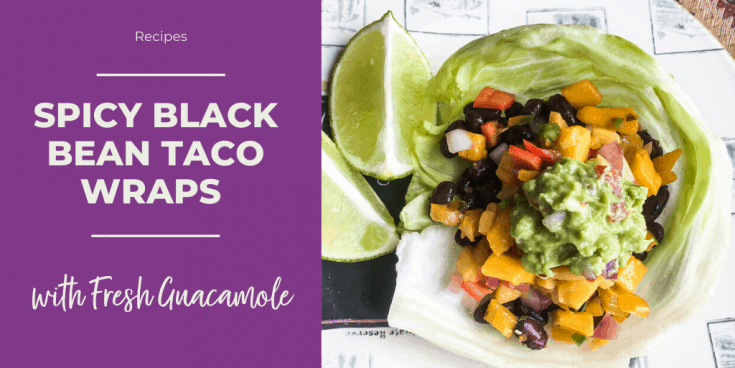
Have a meat-free lunch and enjoy fresh guacamole with it
Upgrade your cabbage with this tasty salad idea

Perfect with any Mexican dish, make your own fruity salsa

Get that cilantro lime rice into action with this shrimp recipe

Try classic chicken fajitas in a sizzler style

The perfect breakfast for those chilly morning!

Try something a little different for breakfast with this no bread recipe
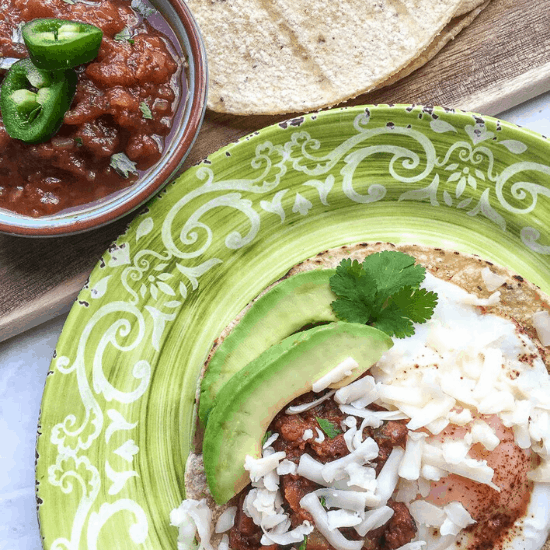
Sample a Mexican classic complete with refried beans made from scratch

